

For owners of the 2011-2016 6.6L LML Duramax, the question of the EGR (Exhaust Gas Recirculation) system is a constant undercurrent. While designed for emissions compliance, its real-world impact on performance and reliability has made the "EGR delete" one of the most considered modifications in the diesel community. If you're weighing the risks and rewards, this guide provides a balanced, detailed analysis to inform your choice, cutting through the hype to focus on facts, mechanics, and practical outcomes.
The EGR system is an emissions control device. It redirects a measured portion of exhaust gas back into the engine's intake manifold. This process lowers combustion temperatures, which in turn reduces the formation of nitrogen oxides (NOx)—a primary regulatory target.
The Performance Dilemma It Creates
While effective for emissions, this recirculation of soot-laden, carbon-heavy exhaust has significant side effects:
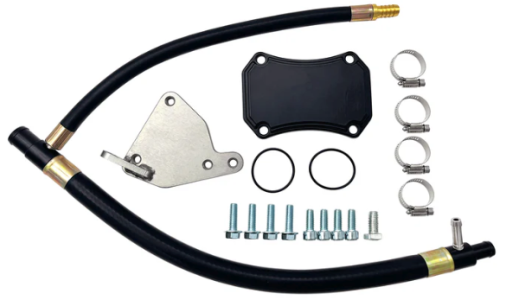
1. 2011-2016 6.6L LML EGR Valve & Cooler Delete Kit
This comprehensive kit targets the core of the EGR problem for a clean, reliable removal.
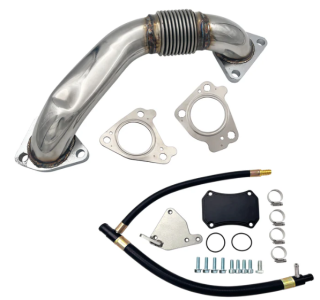
This is a more comprehensive performance upgrade that addresses exhaust flow in addition to the EGR removal.
A proper EGR delete is a significant mechanical procedure. Key steps include:
However, it is not a decision to be made lightly. It requires careful consideration of legal boundaries, warranty status, and a commitment to proper implementation—most importantly, professional tuning.
For the off-road, competition, or agricultural user, or for the on-road owner who has fully accepted the associated responsibilities, a high-quality EGR delete executed correctly represents a logical and rewarding step toward unlocking the true, reliable potential of the 6.6L Duramax engine.
Understanding the EGR: Purpose vs. Practical Reality
What is the EGR System?The EGR system is an emissions control device. It redirects a measured portion of exhaust gas back into the engine's intake manifold. This process lowers combustion temperatures, which in turn reduces the formation of nitrogen oxides (NOx)—a primary regulatory target.
The Performance Dilemma It Creates
While effective for emissions, this recirculation of soot-laden, carbon-heavy exhaust has significant side effects:
- Carbon Buildup: The leading issue. Soot and oil vapor coat the intake manifold, throttle body, and, critically, the intake valves. This restricts airflow, smothers efficiency, and over time, significantly hampers performance.
- Heat Soak: Re-introducing hot exhaust gases increases intake air temperatures, reducing charge density and making the engine more prone to heat-related stress under load.
- Component Failure: The EGR valve and cooler are known failure points. Cooler leaks can lead to coolant ingestion ("hydro-lock"), a potentially catastrophic engine failure.
Analyzing the Delete: Benefits vs. Necessary Considerations
Documented Advantages of a Proper EGR Delete:- Restored Engine Performance: Eliminating carbon buildup and hot exhaust gas from the intake charge results in noticeably sharper throttle response, reduced turbo lag, and more consistent power delivery, especially in the mid-range.
- Improved Engine Longevity & Reduced Maintenance: It removes the risk of EGR cooler failure and prevents chronic carbon fouling of the intake system. This translates to lower long-term maintenance costs and complexity.
- Optimized Operating Temperatures: Lower intake air temperatures contribute to more efficient combustion and reduced thermal stress on engine components during towing or sustained high-load operation.
- Potential Fuel Efficiency Gains: With a cleaner, cooler, and less restrictive intake path, many users report a measurable improvement in fuel economy, as the engine operates more efficiently.
- Legal and Regulatory Compliance: In virtually all regions, tampering with an emissions control device is illegal for on-road use. This modification is intended for off-road or competition vehicles. Compliance with local inspections is your responsibility.
- Warranty Implications: This modification will void any remaining powertrain and emissions-related warranty on your vehicle. The decision should be made with this financial consideration in mind.
- The Imperative of Professional Tuning: Simply removing the hardware is insufficient and harmful. The engine's computer (ECU) must be professionally tuned to adjust for the removed components and optimize performance parameters. Without tuning, you risk poor drivability, fault codes, and potential engine damage.
Two Engineered Solutions for the LML Duramax
For those who have evaluated the considerations and operate in a context where this modification is appropriate, the choice of kit is paramount. Here are two purpose-built solutions:1. 2011-2016 6.6L LML EGR Valve & Cooler Delete Kit
This comprehensive kit targets the core of the EGR problem for a clean, reliable removal.
2. 2011-2016 6.6L LML Up-Pipe & EGR Cooler Delete KitCore Benefits:
Ideal For: The owner seeking a focused, effective solution to the standard EGR reliability issues, prioritizing engine protection and simplified maintenance.
- Eliminates Failure Points: Removes the problematic EGR valve and cooler, preventing carbon buildup and eliminating the risk of cooler leaks.
- Promotes Engine Health: Allows for cleaner intake air and lower operating temperatures, enhancing long-term durability.
- Seamless Integration: Designed for direct fitment using high-quality block-off plates and components, ensuring a secure and leak-free installation.
This is a more comprehensive performance upgrade that addresses exhaust flow in addition to the EGR removal.
Core Benefits:
Ideal For: The enthusiast looking for maximum performance gain, seeking to unlock the turbo's potential while solving the EGR issue in one integrated upgrade.
- Dual-Action Design: Replaces the restrictive factory up-pipe (a known bottleneck) with a high-flow unit while simultaneously deleting the EGR cooler.
- Enhanced Turbo Response: Improves exhaust gas evacuation to the turbocharger, spooling it faster and improving overall powerband responsiveness.
- Superior Construction: Made from T304 stainless steel for exceptional resistance to heat and corrosion, ensuring a lifetime of reliable performance.
Professional Implementation: Installation & Long-Term Care
Installation Overview:A proper EGR delete is a significant mechanical procedure. Key steps include:
- Safely depressurizing the cooling system and disconnecting the batteries.
- Removing the intake assembly, EGR valve, cooler, and associated piping.
- Installing block-off plates, new gaskets, and (if applicable) the high-flow up-pipe.
- Carefully reassembling components, refilling fluids, and performing a thorough leak check.
- Professional Tuning: Immediately after hardware installation, a custom ECU tune is required. This tune will disable the EGR monitoring systems, adjust fuel tables, and optimize timing for the new airflow characteristics. Do not run the engine without this step.
- Regular Monitoring: Keep an eye on engine vitals, particularly Exhaust Gas Temperatures (EGTs), especially when towing, to ensure your tune is operating safely.
- Consistent Maintenance: With the EGR removed, maintaining clean air filters and using quality fuel becomes even more important to protect your engine's internals.
Conclusion: An Informed Choice for Informed Owners
The decision to delete the EGR system on your LML Duramax is consequential. It offers tangible benefits in engine responsiveness, reliability, and long-term operating costs by addressing a fundamental flaw in the emissions-versus-performance compromise.However, it is not a decision to be made lightly. It requires careful consideration of legal boundaries, warranty status, and a commitment to proper implementation—most importantly, professional tuning.
For the off-road, competition, or agricultural user, or for the on-road owner who has fully accepted the associated responsibilities, a high-quality EGR delete executed correctly represents a logical and rewarding step toward unlocking the true, reliable potential of the 6.6L Duramax engine.
Last edited:
