

Let's talk about a modification that sits at the crossroads of performance, reliability, and intense debate: deleting the EGR system on your 2013-2018 6.7L Cummins.
If you're here, you've likely heard the terms "soot buildup," "failed cooler," or "intake clogging." This isn't just forum chatter; it's the reality of owning a modern diesel engineered for emissions compliance first and longevity second. This comprehensive guide will strip away the confusion. We'll explain the critical why behind EGR deletion, compare the different kit options available, detail the correct installation process, and confront the legal and practical questions every owner must consider.
A. Primary EGR Delete Kits: Blocking the Flow
All kits serve the same core function, but key design philosophies set them apart.
While not part of the EGR system, the Closed Crankcase Ventilation (CCV) system is the next logical upgrade. The factory system routes oily, vaporized blow-by gases from the crankcase back into the intake—right where you've just eliminated soot! Installing an Open CCV Breather Kit vents these vapors to the atmosphere (or to a catch can), preventing them from coating your clean intake, intercooler, and turbo compressor wheel with an oily film. This is the final step in achieving a truly clean air intake path.
Tools & Preparation:
 WARNING: This step is mandatory. The truck will not operate correctly without it.
Your Engine Control Module (ECM) is programmed to monitor and control the EGR valve. Its absence will trigger fault codes (e.g., P0406), illuminate the check engine light, and likely cause the engine to derate power or behave erratically.
A custom "delete" tune from a reputable vendor is required. A proper tune will:
A: No. It is a federal offense under the Clean Air Act. Enforcement varies by state, often through emissions inspection programs. The legal and financial liability rests entirely with the vehicle owner.
Q: Will my truck smoke or run poorly after the delete?
A: With a correct custom tune, it should run smoother and more responsively. Persistent black smoke indicates a poor-quality, overly rich tune, not a result of the delete itself.
Q: Is the CCV reroute necessary?
A: While not mandatory for the EGR delete to function, it is a highly recommended companion modification. It prevents oil vapor from soiling the clean intake path you just created, protecting your investment in the EGR delete.
Q: How do I choose between the different EGR kits?
A:
A: Performing an EGR delete will void any affected powertrain and emissions warranty coverage. Dealers can and will flag the modification in your vehicle's permanent record.
The process requires careful selection of hardware—from the foundational EGR delete kit to the complementary CCV breather—paired with the indispensable component of professional ECU tuning. By understanding the nuances between kits, following a meticulous installation, and acknowledging the legal landscape, you can make an informed choice to build a cleaner, cooler, and more reliable Cummins for the long haul.
If you're here, you've likely heard the terms "soot buildup," "failed cooler," or "intake clogging." This isn't just forum chatter; it's the reality of owning a modern diesel engineered for emissions compliance first and longevity second. This comprehensive guide will strip away the confusion. We'll explain the critical why behind EGR deletion, compare the different kit options available, detail the correct installation process, and confront the legal and practical questions every owner must consider.
Part 1: The Core Problem – Why the EGR is an Engine's Adversary
The EGR system's purpose is environmental: it recirculates inert exhaust gas back into the intake manifold to lower combustion temperatures and reduce Nitrogen Oxide (NOx) emissions. Its mechanical consequences, however, are detrimental:- The Soot Invader: It directly pipelines abrasive carbon particulate (soot) from your exhaust back into your clean intake tract. This sludge coats intake manifolds, valves, intercoolers, and contaminates engine oil, leading to reduced efficiency, increased wear, and lost power over time.
- The Unnecessary Heater: The EGR cooler adds significant heat load to your engine's cooling system. By constantly transferring exhaust heat into the coolant, it elevates overall engine operating temperatures, a major concern for trucks that tow or work under heavy load.
- A Ticking Time Bomb: The EGR cooler is a known failure point. Internal cracks can allow engine coolant to leak into the intake (causing hydro-lock and catastrophic engine failure) or into the exhaust stream. The EGR valve itself is also prone to sticking and failure.
Part 2: The Solution Spectrum – Kit Comparison and the Supporting Mod
Physically deleting the EGR involves two parts: 1) blocking exhaust gases from entering the intake, and 2) properly rerouting the coolant that once flowed through the now-removed EGR cooler. Here’s a breakdown of the available solutions, as their designs differ.A. Primary EGR Delete Kits: Blocking the Flow
All kits serve the same core function, but key design philosophies set them apart.
- The Standard, Direct Replacement Kit
This is the classic, proven approach. A kit like the EGR Valve Cooler Delete Kit for 2013-2018 Rams includes machined aluminum block-off plates for the exhaust and intake manifolds, a molded silicone coolant reroute hose, and all necessary hardware. Its signature feature is a pre-tapped exhaust block-off plate, allowing for easy installation of an Exhaust Gas Temperature (EGT) probe—an essential gauge for monitoring engine health post-delete. This kit is for the owner who wants a straightforward, effective solution. - The Innovation-Focused Kit (Integrated Bracket Design)
The 2009-2024 EGR Valve Cooler Delete Kit represents a thoughtful evolution. It performs all standard functions but introduces a critical upgrade: an improved, integrated DDC (Doser/DEF Injector) riser bracket. On later models, the factory EGR cooler bracket also supports the DDC module. This kit’s redesigned bracket mounts directly to the engine block, eliminating the need to wrestle with rusty, often-seized exhaust manifold studs during reinstallation. It’s designed for a cleaner, simpler, and more robust final installation. - The Extended Compatibility Kit
The 2010-2024 EGR Valve Cooler Delete Kit offers broad model-year coverage with a design similar to the standard kit. It’s an excellent option for owners who may work on multiple trucks across different generations or want a kit with wide applicability, ensuring all necessary components for a proper delete and coolant reroute are included.
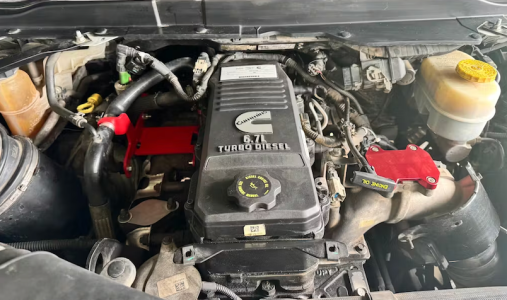
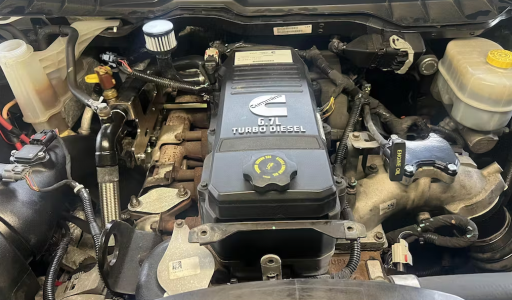
While not part of the EGR system, the Closed Crankcase Ventilation (CCV) system is the next logical upgrade. The factory system routes oily, vaporized blow-by gases from the crankcase back into the intake—right where you've just eliminated soot! Installing an Open CCV Breather Kit vents these vapors to the atmosphere (or to a catch can), preventing them from coating your clean intake, intercooler, and turbo compressor wheel with an oily film. This is the final step in achieving a truly clean air intake path.
Part 3: The Installation – Precision Over Speed
A successful delete hinges on correct procedure, especially concerning the cooling system.Tools & Preparation:
- Safety First: Disconnect the battery. Allow the engine to cool completely.
- Coolant Management: Drain coolant from the radiator to a level below the EGR cooler connections.
- Penetrating Oil: Liberally apply a quality penetrant to the EGR valve mounting bolts and cooler fittings hours before starting.
- Torque Wrench: Essential for proper sealing of block-off plates and hose clamps.
- Remove Intake Components: Remove the air intake tube and air filter housing for clear access.
- Disconnect & Remove EGR Assembly: Unplug electrical connectors from the EGR valve and cooler temperature sensor. Clamp and disconnect the two coolant hoses from the EGR cooler. Unbolt and carefully remove the entire EGR valve and cooler assembly.
- Install Block-Off Plates: Install the exhaust manifold block-off plate using a new high-temperature gasket. This is the ideal time to install an EGT probe. Install the intake manifold block-off plate.
- The Most Crucial Step: Coolant Reroute – NEVER cap the coolant lines. Connect the provided silicone hose between the two open coolant ports using the supplied constant-tension clamps. This maintains proper circulation through the heater core and engine. Kits like the 2010-2024 version include precisely formed hoses for a perfect fit.
- Reinstall & Refill: Reattach any brackets (using the new integrated bracket if provided), reinstall intake components, and reconnect the battery. Refill the cooling system and meticulously "burp" it of air to prevent overheating.
Part 4: The Non-Negotiable Partner – Professional ECU Tuning
WARNING: This step is mandatory. The truck will not operate correctly without it.Your Engine Control Module (ECM) is programmed to monitor and control the EGR valve. Its absence will trigger fault codes (e.g., P0406), illuminate the check engine light, and likely cause the engine to derate power or behave erratically.
A custom "delete" tune from a reputable vendor is required. A proper tune will:
- Permanently disable all EGR-related diagnostics and actuator commands.
- Adjust fueling and timing maps for the new, cleaner intake air charge.
- Ensure smooth, efficient engine operation without warning lights.
Part 5: The Tangible Benefits – What You Gain
- Engine Longevity: A clean intake tract and elimination of abrasive soot reduce wear on rings, cylinders, valves, and the turbocharger.
- Improved Cooling Efficiency: Removing the EGR cooler’s heat load can lower overall coolant temperatures, especially under heavy demand, reducing thermal stress.
- Eliminated Catastrophic Risk: Complete removal of the failure-prone EGR cooler eliminates the threat of coolant ingestion and hydro-lock.
- Foundational Performance: While not a power adder itself, it creates a cleaner, cooler-running foundation essential for any future performance modifications.
- Simplified Maintenance: A cleaner engine bay and fewer complex components make future repairs and inspections easier.
Part 6: Navigating the Reality – Your Questions Answered
Q: Is this legal for on-road use?A: No. It is a federal offense under the Clean Air Act. Enforcement varies by state, often through emissions inspection programs. The legal and financial liability rests entirely with the vehicle owner.
Q: Will my truck smoke or run poorly after the delete?
A: With a correct custom tune, it should run smoother and more responsively. Persistent black smoke indicates a poor-quality, overly rich tune, not a result of the delete itself.
Q: Is the CCV reroute necessary?
A: While not mandatory for the EGR delete to function, it is a highly recommended companion modification. It prevents oil vapor from soiling the clean intake path you just created, protecting your investment in the EGR delete.
Q: How do I choose between the different EGR kits?
A:
- For a standard, reliable solution for your 2013-2018 truck, choose the dedicated 2013-2018 Kit.
- For a more refined installation with an integrated bracket that avoids exhaust studs, choose the innovative 2009-2024 Kit.
- For broad compatibility across many model years, the 2010-2024 Kit is an excellent choice.
A: Performing an EGR delete will void any affected powertrain and emissions warranty coverage. Dealers can and will flag the modification in your vehicle's permanent record.
Conclusion: An Informed Decision for Engine Health
Deleting the EGR system on your 6.7L Cummins is a profound investment in the engine's long-term health and operational efficiency. It directly addresses factory-engineered compromises that favor emissions compliance over mechanical longevity.The process requires careful selection of hardware—from the foundational EGR delete kit to the complementary CCV breather—paired with the indispensable component of professional ECU tuning. By understanding the nuances between kits, following a meticulous installation, and acknowledging the legal landscape, you can make an informed choice to build a cleaner, cooler, and more reliable Cummins for the long haul.
Last edited:
