

If you own a 2008-2019 Ford Super Duty with the 6.4L or 6.7L Powerstroke, you're driving one of the most capable trucks on the road. But you're also likely aware of the compromises built into these engines to meet emissions standards. For 6.4L owners, the specter of the EGR cooler and the problematic DPF system looms large. For 6.7L owners, while the engine is more robust, the complex emissions systems still create heat, restrict power, and are expensive to maintain.
The path many owners take to reclaim reliability and performance is a "delete" – physically removing the DPF, DEF, and EGR components. However, removing the hardware without addressing the truck's computer is a recipe for a dashboard full of warning lights and crippling "limp mode." This is where a dedicated delete tuner becomes not just an upgrade, but an essential tool. Today, we're examining the Mini Maxx V2 for Ford Powerstrokes, a device offered in two distinct versions to cover trucks from 2008 to 2019.
The primary job of the Mini Maxx V2, or any quality delete tuner, is to solve this digital dilemma. It does this by installing new calibration files ("tunes") that do three critical things:
1. For the 2008-2016 6.4L & 6.7L Powerstroke:
This is a broad-coverage device. It handles the entire run of the 6.4L Powerstroke (2008-2010), which is notoriously sensitive to emissions system failures, and the first generation of the 6.7L Powerstroke (2011-2016). For 6.4L owners, a proper delete and tune is often considered a core part of "bulletproofing" for long-term reliability. For 2011-2016 6.7L owners, it removes the restrictive DPF and problematic EGR system, freeing up the engine's potential.
2. For the 2017-2019 6.7L Powerstroke:
This version is specifically for the updated second-generation 6.7L Powerstroke (2017-2019). In 2017, Ford introduced a new high-pressure fuel system and made other refinements that changed the underlying PCM software. A tune file for a 2016 truck will simply not work on a 2017+ model. Using the correct year-specific file is non-negotiable for proper operation and to avoid potential issues.
Why This Split is Critical: Attempting to use the wrong tuner file can result in anything from a "no-start" condition to poor performance and drivability issues. Always select the tuner that matches your truck's exact model year.
However, success depends on due diligence:
The path many owners take to reclaim reliability and performance is a "delete" – physically removing the DPF, DEF, and EGR components. However, removing the hardware without addressing the truck's computer is a recipe for a dashboard full of warning lights and crippling "limp mode." This is where a dedicated delete tuner becomes not just an upgrade, but an essential tool. Today, we're examining the Mini Maxx V2 for Ford Powerstrokes, a device offered in two distinct versions to cover trucks from 2008 to 2019.
The Core Problem: Why Can't You Just Unbolt and Go?
Modern diesel engines are governed by a complex computer (the PCM) that constantly monitors every sensor. The DPF, DEF, and EGR systems have dedicated sensors. If you remove these components, the PCM detects their absence and triggers Diagnostic Trouble Codes (DTCs), illuminates the check engine light, and will often derate engine power to protect what it thinks is a broken system.The primary job of the Mini Maxx V2, or any quality delete tuner, is to solve this digital dilemma. It does this by installing new calibration files ("tunes") that do three critical things:
- Remove Emissions System Monitoring: It tells the PCM to stop looking for the DPF, DEF, and EGR systems, preventing fault codes.
- Re-optimize Engine Parameters: With the restrictive hardware gone, the tune adjusts fuel injection, turbo boost, and timing to take advantage of the improved airflow and exhaust flow. This is where gains in power, throttle response, and efficiency come from.
- Provide a Software Interface: It becomes your window into the truck's data and your tool for making adjustments.
Two Key Applications: Why Year Range Matters
While the physical device and its core features are identical, the tune files are specific to the vehicle's software. Ford made significant changes between model years, especially between the 6.4L and 6.7L, and even within different years of the 6.7L's production. This is why the Mini Maxx is offered in two separate packages:1. For the 2008-2016 6.4L & 6.7L Powerstroke:
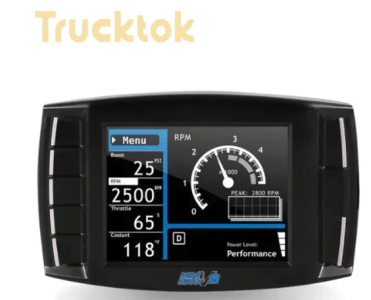
This is a broad-coverage device. It handles the entire run of the 6.4L Powerstroke (2008-2010), which is notoriously sensitive to emissions system failures, and the first generation of the 6.7L Powerstroke (2011-2016). For 6.4L owners, a proper delete and tune is often considered a core part of "bulletproofing" for long-term reliability. For 2011-2016 6.7L owners, it removes the restrictive DPF and problematic EGR system, freeing up the engine's potential.
2. For the 2017-2019 6.7L Powerstroke:
This version is specifically for the updated second-generation 6.7L Powerstroke (2017-2019). In 2017, Ford introduced a new high-pressure fuel system and made other refinements that changed the underlying PCM software. A tune file for a 2016 truck will simply not work on a 2017+ model. Using the correct year-specific file is non-negotiable for proper operation and to avoid potential issues.
Why This Split is Critical: Attempting to use the wrong tuner file can result in anything from a "no-start" condition to poor performance and drivability issues. Always select the tuner that matches your truck's exact model year.
Beyond the Delete: The Mini Maxx V2 as a Toolbox
The value of a device like the Mini Maxx V2 extends beyond just installing a delete tune. Once connected, it becomes a multi-functional instrument:- Digital Gauge Cluster: This is a major benefit. You can monitor over 20 live parameters from the PCM. Critical readings like Exhaust Gas Temperature (EGT), transmission temperature, turbo boost, fuel pressure, and coolant temp can be displayed. Monitoring EGTs is especially crucial when towing or running performance tunes.
- Diagnostic Scan Tool: You can read and clear diagnostic trouble codes directly, saving a trip to the parts store or shop for basic diagnostics.
- Adjustment Module: It allows you to remove or adjust the factory top-speed limiter and, importantly, recalibrate your speedometer after changing tire size or axle gearing. This ensures your speedo and odometer are accurate and helps maintain proper transmission shift points.
- Hardware Kit: The package is complete. It includes the monitor/tuner, OBD-II interface module, all necessary cables (HDMI, USB), power adapter, fuse tap, mounting hardware, and a microSD card for updates.
- Future-Proofing: The inclusion of a microSD card and USB cable allows for internet updates. As tuning strategies evolve or if minor bugs are found, you can update the device's firmware or tune files.
Real-World Expectations: Setting the Right Goals
The product descriptions mention "transforming your truck into a capable, economical powerhouse" and MPG gains "up to 5 miles per gallon." It's important to contextualize these claims.- Fuel Economy (MPG): The largest MPG gain comes from eliminating DPF regenerations, which stop the process of injecting raw fuel to burn off soot. Additional efficiency comes from optimized engine tuning. The "up to 5 MPG" figure is a best-case, often seen in combined driving after a full delete. Real-world gains of 2-4 MPG are more common and still significant.
- Power & Drivability: The included "emission removal tunes" are generally conservative, reliability-focused, and designed to be smoke-free. They provide a very noticeable improvement in throttle response, torque, and overall driving feel by removing the factory restrictions. For significant horsepower increases, most users purchase additional, custom-tuned performance files from reputable tuners who support the Mini Maxx platform.
- The Legal & Warranty Imperative: This point cannot be overstated. The tunes are clearly marked "For deleted trucks only" and "for off-road & race use." In the United States and many other regions, tampering with or disabling emissions equipment on a road-registered vehicle is a violation of federal law (the Clean Air Act). This modification will also void your truck's factory powertrain warranty. This is a serious consideration with permanent consequences.
Community Verdict and Considerations
The Mini Maxx V2 has been a staple in the diesel tuning world for years. For Powerstroke owners committed to the delete path, it provides an all-in-one solution: the necessary software, a powerful monitor, and a diagnostic tool. Its reliability and user-friendly interface are why it remains a popular choice.However, success depends on due diligence:
- Confirm Fitment: Double and triple-check that you are purchasing the correct model for your truck's exact year and engine.
- Research the Tunes: Understand the philosophy of the included tune files. Are they mild, tow-focused, or performance-oriented? You may plan to buy additional custom tunes.
- Professional Support: While installation is plug-and-play, having a relationship with a knowledgeable tuner for support and future file purchases is invaluable.
Last edited:
