

Let's talk about a common crossroads for Duramax owners, especially those with the LMM (2007.5-2010) and LML (2011-2016) models. You're dealing with the classic modern diesel dilemma: a powerhouse engine intertwined with complex emissions systems that can feel restrictive. Whether it's the constant worry about the DPF filter, the known weak points of the EGR system, or just the desire to let the 6.6L breathe a bit easier, the path forward often points to one critical tool—a proper delete tuner.
This isn't about chasing outrageous, smokey horsepower numbers. For many, it's about reliability, drivability, and reclaiming some lost efficiency. In the world of diesel tuners, the Mini Maxx V2 has been a long-standing name for GM trucks. Today, we're breaking down what it does, why its model-year split matters for Duramax owners, and what you can realistically expect if you go this route.
If you just rip the hardware off without addressing the software, your truck's computer (the ECM) will panic. You'll be greeted with a dashboard lit up like a Christmas tree, crippling limp mode, and a stream of diagnostic trouble codes (DTCs). The Mini Maxx solves this by flashing custom "off-road only" tune files that do several key things:
1. For the 2007.5-2014 Models (Covering LMM & Early LML):
This application is a bit of a Swiss Army knife. It covers the entirety of the LMM generation (2007.5-2010) and the first half of the LML generation (2011-2014). For owners in this group, the Mini Maxx V2 represents a complete solution to remove all factory emissions equipment. A crucial note from the manufacturer states: "LML GM Duramax models are undergoing a fix for unregistered boost levels (MAP sensor issue)." If you have a 2011-2014 LML, it's essential to verify with the seller if this calibration update has been completed for the included tunes to ensure accurate boost reading on the monitor.
2. For the 2015-2016 Models (Late LML):
This version is specifically for the later LML trucks (2015-2016). GM often makes subtle changes to ECM software from year to year, so having a tune file tailored to these specific model years is critical for compatibility and proper operation. The same note about the MAP sensor fix applies here, so due diligence is needed.
Why the Split Matters: Using the wrong year-specific tune file can lead to anything from a simple "no start" situation to improper engine operation. Always, without exception, select the tuner that matches your truck's exact model year.
Its value lies in its integrated approach. It's the key that allows the physical deletes to work properly, and then it stays in the truck as a window into the engine's vitals. If your goals align with its purpose—and you've fully considered the implications—it remains a proven and popular choice in the Duramax tuning ecosystem.
As always, do your research. Confirm model year fitment, inquire about the status of any noted sensor fixes for your specific LML year, and understand the tune philosophy of the files included. What has been your experience with the Mini Maxx platform or other tuning solutions for these generations of Duramax? Share your thoughts and questions below
This isn't about chasing outrageous, smokey horsepower numbers. For many, it's about reliability, drivability, and reclaiming some lost efficiency. In the world of diesel tuners, the Mini Maxx V2 has been a long-standing name for GM trucks. Today, we're breaking down what it does, why its model-year split matters for Duramax owners, and what you can realistically expect if you go this route.
The Core Mission: More Than Just "A Tune"
At its heart, the Mini Maxx V2 for these Duramax models is a specialized tool designed for one major purpose: to properly and cleanly remove the truck's dependence on its emissions systems after you've installed the necessary physical delete kits (like a DPF delete pipe and EGR block-off plates).If you just rip the hardware off without addressing the software, your truck's computer (the ECM) will panic. You'll be greeted with a dashboard lit up like a Christmas tree, crippling limp mode, and a stream of diagnostic trouble codes (DTCs). The Mini Maxx solves this by flashing custom "off-road only" tune files that do several key things:
- Delete Emissions Monitoring: It tells the ECM to ignore the missing DPF, DEF, and EGR systems, preventing check engine lights and DTCs.
- Re-calibrate Engine Operation: The tune optimizes fueling, timing, and turbo parameters for the new, free-flowing exhaust and clean intake path. This is where the performance and efficiency gains come from.
- Act as a Diagnostic & Monitoring Hub: It's not a "flash and forget" dongle. Once installed, it becomes a powerful gauge cluster and code reader.
A Closer Look at the Two Key Applications
While the device and its core features are identical, the tune files are specific to the vehicle's software architecture. This is why you'll see it offered for two distinct year ranges:1. For the 2007.5-2014 Models (Covering LMM & Early LML):
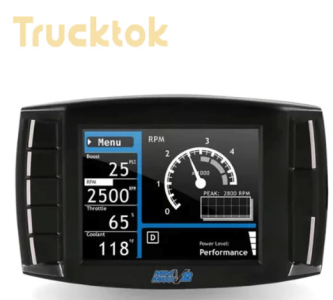
This application is a bit of a Swiss Army knife. It covers the entirety of the LMM generation (2007.5-2010) and the first half of the LML generation (2011-2014). For owners in this group, the Mini Maxx V2 represents a complete solution to remove all factory emissions equipment. A crucial note from the manufacturer states: "LML GM Duramax models are undergoing a fix for unregistered boost levels (MAP sensor issue)." If you have a 2011-2014 LML, it's essential to verify with the seller if this calibration update has been completed for the included tunes to ensure accurate boost reading on the monitor.
2. For the 2015-2016 Models (Late LML):
This version is specifically for the later LML trucks (2015-2016). GM often makes subtle changes to ECM software from year to year, so having a tune file tailored to these specific model years is critical for compatibility and proper operation. The same note about the MAP sensor fix applies here, so due diligence is needed.
Why the Split Matters: Using the wrong year-specific tune file can lead to anything from a simple "no start" situation to improper engine operation. Always, without exception, select the tuner that matches your truck's exact model year.
Breaking Down the Feature Set: What You're Actually Getting
Beyond the primary delete function, the Mini Maxx V2 packs a suite of features that add real value:- Digital Gauge Monitoring: This is a huge benefit. You can monitor over 20 live parameters from the ECM—think Exhaust Gas Temp (EGT), transmission temp, boost, fuel pressure, and more. This data is crucial for keeping an eye on engine health, especially when towing or running higher performance settings.
- Diagnostic Capability: You can read and clear diagnostic trouble codes directly, turning the device into a capable scan tool.
- Adjustable Limiters & Calibrations: Tired of the factory top-speed governor? It can remove or adjust it. Swapped to larger tires or different gears? The speedometer can be recalibrated for accuracy, which also corrects shift points.
- Hardware Included: The kit is comprehensive. You get the monitor/tuner itself, an OBD connection box, all necessary cables (HDMI, USB), a power adapter, a fuse tap for clean power, a microSD card for updates, and a mount. It's a complete package.
- Update Path: Performance tuning is an evolving field. The use of a microSD card and USB cable provides a method for receiving future internet updates from the tuner, which is a nice touch for longevity.
The Reality Check: Performance, MPG, and Legalities
The product description mentions transforming your truck into an "economical powerhouse" and reports of MPG gains "up to 5 miles per gallon." It's important to ground these expectations:- Fuel Economy: The most significant MPG improvement comes from eliminating DPF regenerations, which stop burning fuel to clean the filter. Additional gains come from more efficient combustion tuning. "Up to 5 MPG" is a best-case scenario, often seen in mixed driving after a full delete. Your results will vary based on driving style, truck setup, and the specific tune used.
- Power Gains: The included "emission removal tunes" are typically conservative, focused on reliability and smoke-free operation. They will provide a very noticeable improvement in throttle response, torque, and overall drivability over a choked, stock truck. For significant horsepower increases, you would likely need to purchase additional, more aggressive tune files from a custom tuner who supports the Mini Maxx platform.
- The Essential Disclaimer: This cannot be overstated. The tunes included with this device are labeled "For deleted trucks only" and "for off-road & race use." In the United States and many other regions, tampering with or disabling federally mandated emissions equipment on a vehicle registered for on-road use is a violation of the Clean Air Act. This modification will void your powertrain warranty. This is a decision with legal and financial consequences that every owner must understand fully before proceeding.
Final Thoughts for the Community
The Mini Maxx V2 for the LMM and LML Duramax isn't a magic box—it's a specialized tool that solves a specific set of problems. For the owner who has already committed to the path of deleting their emissions hardware for reliability or performance reasons, it provides the essential software component, a robust monitoring system, and useful diagnostics in one package.Its value lies in its integrated approach. It's the key that allows the physical deletes to work properly, and then it stays in the truck as a window into the engine's vitals. If your goals align with its purpose—and you've fully considered the implications—it remains a proven and popular choice in the Duramax tuning ecosystem.
As always, do your research. Confirm model year fitment, inquire about the status of any noted sensor fixes for your specific LML year, and understand the tune philosophy of the files included. What has been your experience with the Mini Maxx platform or other tuning solutions for these generations of Duramax? Share your thoughts and questions below
Last edited:
