
!Before installation, confirm that:
This high-performance component does not comply with the laws and regulations for highway driving and cannot be used on any vehicle that has been registered or certified for use on highways. This means that the component may only be suitable for racing cars or other off-road vehicles. If it is installed on vehicles driving on the highway, legal issues will be borne by oneself.
This is the installation process for the ER-0264: 2007.5-2024 Dodge Ram 6.7L Intake Air Temperature Sensor Extension Harness Diesel,provided for your reference during installation.
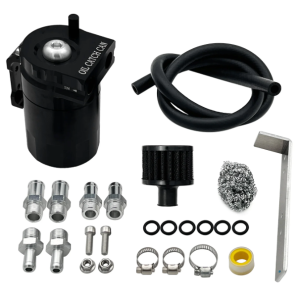
Before installing the oil-gas separator, first identify the components of the CCV system and determine the installation locations for the intake and return lines, ensuring that the routing does not interfere with or rub against any moving parts or high-temperature components. The routing scheme may vary depending on the vehicle model.
Step 1:
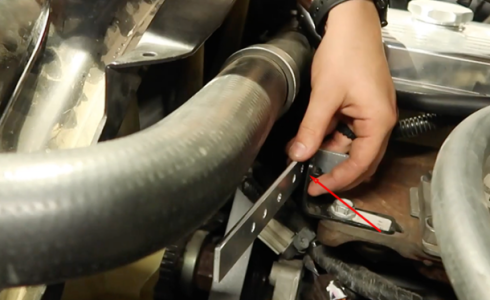
Find a suitable location to install the oil-gas separator, usually on the side of the engine compartment, ensuring easy access for hose connections and inspections.
 Step 2:
 Step 3:
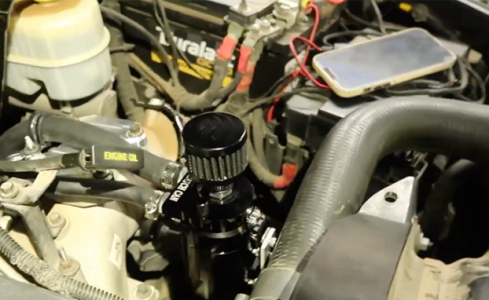
Connecting one end to the crankcase ventilation valve outlet (usually located on the valve cover) and the other end to the intake port of the oil separator tank.Then, connect another hose from the outlet of the oil separator tank back to the inlet of the engine's intake system (such as the turbocharger intake).
 Step 4:
Ensure all hose connections are tight and leak-free, and secure them with clamps.
This high-performance component does not comply with the laws and regulations for highway driving and cannot be used on any vehicle that has been registered or certified for use on highways. This means that the component may only be suitable for racing cars or other off-road vehicles. If it is installed on vehicles driving on the highway, legal issues will be borne by oneself.
This is the installation process for the ER-0264: 2007.5-2024 Dodge Ram 6.7L Intake Air Temperature Sensor Extension Harness Diesel,provided for your reference during installation.
Before installing the oil-gas separator, first identify the components of the CCV system and determine the installation locations for the intake and return lines, ensuring that the routing does not interfere with or rub against any moving parts or high-temperature components. The routing scheme may vary depending on the vehicle model.
Step 1:
Find a suitable location to install the oil-gas separator, usually on the side of the engine compartment, ensuring easy access for hose connections and inspections.
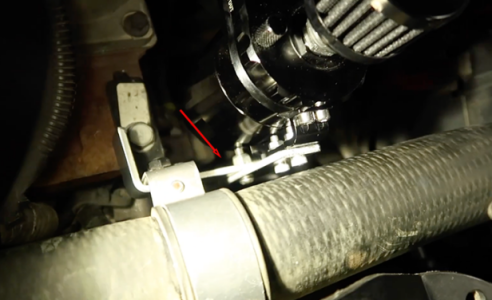
Use L-shaped brackets and clamps to secure the oil-gas separator tank, ensuring it is firmly and reliably fixed during installation.
Connecting one end to the crankcase ventilation valve outlet (usually located on the valve cover) and the other end to the intake port of the oil separator tank.Then, connect another hose from the outlet of the oil separator tank back to the inlet of the engine's intake system (such as the turbocharger intake).
Ensure all hose connections are tight and leak-free, and secure them with clamps.
Last edited:
