

I've had my 2021 Silverado with the 3.0L LM2 Duramax for about two years now, and overall, it's been a fantastic truck. The fuel economy is incredible for a full-size pickup, it tows my boat without breaking a sweat, and it's surprisingly quiet and refined for a diesel. But like any modern diesel owner, I've spent time reading forums and learning about the long-term concerns with these engines.
The LM2 is a different breed from the bigger Duramax engines. It's smaller, more efficient, and designed to meet stringent emissions standards. But that emissions equipment comes with the same fundamental compromises as every other modern diesel. Specifically, the EGR system.
I started looking into EGR delete options for the LM2, and eventually picked up the TruckTok kit. After running it for several months, I wanted to share what I learned about why this modification matters on this particular engine and what the kit actually does.
The Exhaust Gas Recirculation system routes a portion of exhaust gas back into the intake manifold. That exhaust gas is inert—it's already been burned—so it displaces oxygen in the combustion chamber. Lower oxygen levels mean lower combustion temperatures, which reduces NOx formation.
On paper, it works. In practice, it introduces several compromises.
The soot problem: Exhaust gas contains particulate matter. When that soot-laden gas is recirculated, it deposits carbon throughout the intake tract. Over time, that buildup restricts airflow and reduces efficiency.
The heat problem: The EGR cooler is a heat exchanger that uses engine coolant to cool the exhaust gas before it re-enters the intake. That heat has to go somewhere—it goes into your coolant. The EGR cooler adds thermal load to the cooling system, making it work harder.
The failure risk: EGR coolers can fail. When they do, coolant can enter the intake or exhaust, leading to a cascade of problems. On the LM2, which is a complex engine with tight packaging, an EGR cooler failure would be an expensive repair.
The packaging: The engine bay is tighter than on the HD trucks. Everything is more compact, which means emissions components are harder to access and service. An EGR failure on the LM2 would require significant labor to address.
The efficiency focus: The LM2 was designed for fuel economy above all else. Every component is optimized for efficiency, but that optimization comes at the cost of simplicity. The EGR system is complex and integrated.
The newer platform: The LM2 doesn't have the same long-term failure data as older Duramax engines. We don't yet know how these EGR systems hold up at 150,000 or 200,000 miles. Proactive owners are looking at ways to eliminate potential failure points before they become problems.
Blocker plates: Two precision-machined aluminum plates that seal off the exhaust ports where the EGR system draws exhaust gas. This physically prevents exhaust from entering the EGR system.
Aluminum intake plug: Seals the intake manifold port where the EGR outlet originally connected. This ensures no exhaust gas can enter the intake tract.
4-ply silicone coolant hose: When the EGR cooler is removed, the coolant circuit needs to be maintained. This high-quality silicone hose replaces the cooler, allowing coolant to flow normally without passing through the heat exchanger.
Silicone caps: Used to seal any unused coolant ports, ensuring the cooling system remains sealed and pressurized.
Ground cable: Some LM2 configurations have electrical connections to the EGR system. The included ground cable ensures proper grounding after component removal.
EGR gaskets: New gaskets for a leak-free seal at the block-off plates.
Cleaner intake air: With no exhaust gas recirculating, the intake tract stays clean. No soot buildup, no carbon deposits, no gradual restriction over time. The engine breathes clean air, period.
Lower intake temps: Without hot exhaust gas being recirculated, the air entering the engine is cooler. Cooler air is denser, which means more oxygen for combustion. That translates to more efficient combustion and lower EGTs.
Reduced cooling system load: The EGR cooler is no longer dumping exhaust heat into your coolant. That means the cooling system can focus on its primary job—managing engine heat—rather than dealing with waste heat from emissions equipment.
Elimination of a failure point: The EGR cooler and valve are complex components with moving parts and exposure to extreme conditions. Removing them eliminates the possibility of failure entirely. No cracked cooler, no stuck valve, no coolant in the intake.
Smoother operation: With the EGR system gone, the engine doesn't have to manage the flow of recirculated exhaust. Operation is simpler and more consistent.
Installing an EGR delete on the LM2 is more involved than on some other engines due to the tight packaging. Accessing the EGR components requires removing various parts to get to them. It's not a driveway job for a beginner, but it's manageable for someone with intermediate mechanical skills.
The kit includes everything needed—the blocker plates, intake plug, coolant hose, caps, ground cable, and gaskets. No chasing down missing parts.
This kit is the hardware half of the equation. Proper tuning from a reputable source is required to make everything work correctly.
The TruckTok LM2 EGR Delete Kit addresses one of those compromises directly. It removes the EGR system, eliminating soot buildup, reducing intake temperatures, and removing a potential failure point. The kit includes everything needed—blocker plates, intake plug, silicone coolant hose, caps, ground cable, and gaskets.
For LM2 owners who plan to keep their trucks long-term and want to eliminate one of the engine's potential weak points, this kit makes technical sense. It's not about chasing horsepower—it's about efficiency, reliability, and peace of mind.
If you've modified the EGR system on your LM2, what was your experience? Drop your thoughts below.
The LM2 is a different breed from the bigger Duramax engines. It's smaller, more efficient, and designed to meet stringent emissions standards. But that emissions equipment comes with the same fundamental compromises as every other modern diesel. Specifically, the EGR system.
I started looking into EGR delete options for the LM2, and eventually picked up the TruckTok kit. After running it for several months, I wanted to share what I learned about why this modification matters on this particular engine and what the kit actually does.
Part 1: What's the EGR System Doing on the LM2?
Before we talk about removing it, let's be clear about what the EGR system actually does on the 3.0L.The Exhaust Gas Recirculation system routes a portion of exhaust gas back into the intake manifold. That exhaust gas is inert—it's already been burned—so it displaces oxygen in the combustion chamber. Lower oxygen levels mean lower combustion temperatures, which reduces NOx formation.
On paper, it works. In practice, it introduces several compromises.
The soot problem: Exhaust gas contains particulate matter. When that soot-laden gas is recirculated, it deposits carbon throughout the intake tract. Over time, that buildup restricts airflow and reduces efficiency.
The heat problem: The EGR cooler is a heat exchanger that uses engine coolant to cool the exhaust gas before it re-enters the intake. That heat has to go somewhere—it goes into your coolant. The EGR cooler adds thermal load to the cooling system, making it work harder.
The failure risk: EGR coolers can fail. When they do, coolant can enter the intake or exhaust, leading to a cascade of problems. On the LM2, which is a complex engine with tight packaging, an EGR cooler failure would be an expensive repair.
Part 2: What Makes the LM2 Different
The 3.0L LM2 is a unique engine in GM's lineup. It's the first light-duty Duramax, designed for half-ton trucks rather than the heavy-duty applications of the bigger engines.The packaging: The engine bay is tighter than on the HD trucks. Everything is more compact, which means emissions components are harder to access and service. An EGR failure on the LM2 would require significant labor to address.
The efficiency focus: The LM2 was designed for fuel economy above all else. Every component is optimized for efficiency, but that optimization comes at the cost of simplicity. The EGR system is complex and integrated.
The newer platform: The LM2 doesn't have the same long-term failure data as older Duramax engines. We don't yet know how these EGR systems hold up at 150,000 or 200,000 miles. Proactive owners are looking at ways to eliminate potential failure points before they become problems.
Part 3: What the TruckTok Kit Actually Does
The TruckTok LM2 EGR delete kit addresses the EGR system at its source. Here's what's included and what each component does.Blocker plates: Two precision-machined aluminum plates that seal off the exhaust ports where the EGR system draws exhaust gas. This physically prevents exhaust from entering the EGR system.
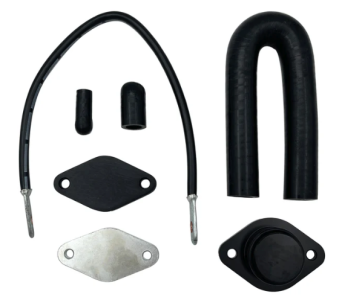
Aluminum intake plug: Seals the intake manifold port where the EGR outlet originally connected. This ensures no exhaust gas can enter the intake tract.
4-ply silicone coolant hose: When the EGR cooler is removed, the coolant circuit needs to be maintained. This high-quality silicone hose replaces the cooler, allowing coolant to flow normally without passing through the heat exchanger.
Silicone caps: Used to seal any unused coolant ports, ensuring the cooling system remains sealed and pressurized.
Ground cable: Some LM2 configurations have electrical connections to the EGR system. The included ground cable ensures proper grounding after component removal.
EGR gaskets: New gaskets for a leak-free seal at the block-off plates.
Part 4: What You Gain by Removing the EGR System
After installing the kit, several things became apparent.Cleaner intake air: With no exhaust gas recirculating, the intake tract stays clean. No soot buildup, no carbon deposits, no gradual restriction over time. The engine breathes clean air, period.
Lower intake temps: Without hot exhaust gas being recirculated, the air entering the engine is cooler. Cooler air is denser, which means more oxygen for combustion. That translates to more efficient combustion and lower EGTs.
Reduced cooling system load: The EGR cooler is no longer dumping exhaust heat into your coolant. That means the cooling system can focus on its primary job—managing engine heat—rather than dealing with waste heat from emissions equipment.
Elimination of a failure point: The EGR cooler and valve are complex components with moving parts and exposure to extreme conditions. Removing them eliminates the possibility of failure entirely. No cracked cooler, no stuck valve, no coolant in the intake.
Smoother operation: With the EGR system gone, the engine doesn't have to manage the flow of recirculated exhaust. Operation is simpler and more consistent.
Part 5: The Installation Consideration
The product description notes that "disassembly of OEM systems requires the removal of necessary engine compartment components." This is accurate.Installing an EGR delete on the LM2 is more involved than on some other engines due to the tight packaging. Accessing the EGR components requires removing various parts to get to them. It's not a driveway job for a beginner, but it's manageable for someone with intermediate mechanical skills.
The kit includes everything needed—the blocker plates, intake plug, coolant hose, caps, ground cable, and gaskets. No chasing down missing parts.
Part 6: The Tuning Requirement
It's important to note that removing the EGR hardware requires corresponding software changes. The LM2's ECM is programmed to monitor EGR operation. Without a tune that disables the EGR system, the truck will set codes and may go into limp mode.This kit is the hardware half of the equation. Proper tuning from a reputable source is required to make everything work correctly.
Part 7: The Verdict
The 2020-2022 3.0L LM2 Duramax is a modern, efficient, and capable engine. But like all modern diesels, it carries emissions equipment that introduces compromises and potential failure points.The TruckTok LM2 EGR Delete Kit addresses one of those compromises directly. It removes the EGR system, eliminating soot buildup, reducing intake temperatures, and removing a potential failure point. The kit includes everything needed—blocker plates, intake plug, silicone coolant hose, caps, ground cable, and gaskets.
For LM2 owners who plan to keep their trucks long-term and want to eliminate one of the engine's potential weak points, this kit makes technical sense. It's not about chasing horsepower—it's about efficiency, reliability, and peace of mind.
If you've modified the EGR system on your LM2, what was your experience? Drop your thoughts below.
Last edited:
