

Your diesel engine's strength depends on more than just fuel and air; it relies on a clean, balanced internal environment. At the heart of this is the Positive Crankcase Ventilation (PCV) system—a critical component often misunderstood as just an emissions device. When functioning correctly, it preserves engine life and efficiency. When it fails, it can lead to a cascade of costly problems. This guide delves into what the PCV system truly does, how to spot its failures, and the definitive solutions to keep your truck running at its best.
The PCV system actively manages this. It is a calibrated vacuum system that draws these harmful blow-by gases out of the crankcase and safely reintroduces them into the intake stream to be burned off. This continuous cycle serves two vital functions: it reduces harmful atmospheric emissions and, more importantly for longevity, regulates internal crankcase pressure while removing moisture, fuel dilution, and acidic byproducts that cause sludge and wear.
Early-Stage Warnings:
The first signs are easy to overlook. You might notice your engine consuming more oil than usual between changes or find fresh, minor leaks around the valve cover or oil pan gasket due to slight pressure buildup. A subtly rough idle or a small, unexplained dip in fuel economy can also be early indicators.
Advanced Failure Symptoms:
As problems worsen, symptoms become undeniable. Inspecting the intake may reveal a sludgy oil residue coating the piping or intercooler. You may see intermittent blue or gray smoke during acceleration—a telltale sign oil is being drawn into the combustion chambers. Performance drops, turbocharger efficiency can suffer from contamination, and the check engine light may illuminate with pressure or airflow-related codes.
Critical Damage Indicators:
At this stage, the system has significantly failed. Symptoms include persistent, heavy blue smoke; major oil leaks from multiple seals; a distinct whistling or hissing from a stuck PCV valve; and in worst-case scenarios, engine knocking from excessive bearing wear due to pressure and contamination.
The key benefits are substantial:
Ready to take control of your engine's health? Explore our range of diagnostic guides, maintenance parts, and performance-engineered CCV solutions designed to keep your diesel running clean and strong.
The PCV System: Your Engine's Vital Pressure Regulator
Contrary to common belief, the PCV system's primary role extends far beyond emissions control. During combustion, a portion of gases, known as "blow-by," escapes past the piston rings into the crankcase. If left unchecked, these gases create excessive pressure, force oil past seals, and allow corrosive contaminants to degrade your engine oil.The PCV system actively manages this. It is a calibrated vacuum system that draws these harmful blow-by gases out of the crankcase and safely reintroduces them into the intake stream to be burned off. This continuous cycle serves two vital functions: it reduces harmful atmospheric emissions and, more importantly for longevity, regulates internal crankcase pressure while removing moisture, fuel dilution, and acidic byproducts that cause sludge and wear.
Spotting Trouble: The Progressive Symptoms of a Failing PCV System
Failure often starts subtly. Early recognition is key to preventing severe damage.Early-Stage Warnings:
The first signs are easy to overlook. You might notice your engine consuming more oil than usual between changes or find fresh, minor leaks around the valve cover or oil pan gasket due to slight pressure buildup. A subtly rough idle or a small, unexplained dip in fuel economy can also be early indicators.
Advanced Failure Symptoms:
As problems worsen, symptoms become undeniable. Inspecting the intake may reveal a sludgy oil residue coating the piping or intercooler. You may see intermittent blue or gray smoke during acceleration—a telltale sign oil is being drawn into the combustion chambers. Performance drops, turbocharger efficiency can suffer from contamination, and the check engine light may illuminate with pressure or airflow-related codes.
Critical Damage Indicators:
At this stage, the system has significantly failed. Symptoms include persistent, heavy blue smoke; major oil leaks from multiple seals; a distinct whistling or hissing from a stuck PCV valve; and in worst-case scenarios, engine knocking from excessive bearing wear due to pressure and contamination.
Common Failures: The Usual Suspects Behind the Symptoms
Understanding the specific components that fail demystifies the symptoms:- The Clogged PCV Valve: This one-way regulator is the system's heartbeat. When clogged with sludge—often from infrequent oil changes or excessive blow-by—it sticks open or closed. A stuck-open valve can cause a high, unstable idle and increased oil consumption. A stuck-closed valve leads to high crankcase pressure, forcing oil out of every seal and gasket, often accompanied by a distinct hissing sound.
- Oil Separator (or Catch Can) Failure: Modern diesels use a separator to remove oil vapors from the blow-by gases before they reach the intake. When this fails or becomes clogged, liquid oil is sent directly into your intake manifold and turbocharger. This leads to dramatic oil consumption, carbon buildup on intake valves (a severe issue for direct injection engines), and oily intercooler contamination that reduces performance.
- Degraded Hoses and Connections: The network of vacuum hoses is the system's circulatory system. Constant exposure to heat, oil vapors, and underhood elements causes rubber to harden, crack, or collapse. Cracked hoses create vacuum leaks, leading to rough idling and lean fuel conditions, while collapsed hoses completely block the vital flow of gases.
Proactive Defense: Maintenance to Prevent Problems
Prevention is straightforward and highly effective. Incorporate these practices into your routine:- Regular Inspection: With every oil change, perform a visual check. Look for cracked or soft hoses, oil residue at connections, and ensure the PCV valve rattles freely when shaken.
- Scheduled Replacement: Adhere to your manufacturer's service intervals. The PCV valve is a wear item; replace it preventatively every 50,000 miles or as specified.
- Foundation Care: The health of the PCV system is directly tied to overall engine health. Using high-quality oil and changing it at the recommended intervals is the single best way to prevent the sludge that clogs the system. Promptly address any underlying engine issues causing excessive blow-by.
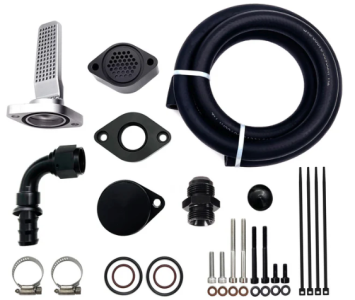
The Advanced Solution: 2011-2023 6.7L Ford Powerstroke CCV PCV Reroute Engine Ventilation Kit
For owners of 2011-2023 6.7L Ford Powerstroke trucks plagued by chronic oil-in-intake issues, a dedicated CCV/PCV reroute kit provides a complete engineered solution. These kits are designed as direct bolt-on replacements, featuring high-capacity separators and heat-resistant lines to bypass failure-prone factory parts. The result is the elimination of oil consumption related to the CCV system, restored intake cleanliness, and improved overall engine reliability, often achievable in a few hours with basic tools.The key benefits are substantial:
- Eliminates Intake Contamination: Stops oil from coating intercoolers, intake manifolds, and turbocharger wheels.
- Maintains Optimal Pressure: Ensures crankcase vacuum is properly regulated, protecting seals.
- Improves Reliability: Reduces carbon buildup and protects expensive turbo and engine components.
- Serviceable Design: Easier to inspect and drain than complex, buried factory components.
Compliance: A Crucial Consideration
It is essential to understand that the PCV/CCV system is a legally mandated emissions control device. Regulations require it to be present and operational for on-road vehicles. Therefore, any modification must be chosen carefully. A quality reroute kit that maintains a closed, filtering system is designed to be compliant and improve function, unlike a non-compliant "delete." Always verify product claims and understand your local regulations.Conclusion
Your truck's PCV system is a silent guardian of engine health. By understanding its function, recognizing the early whispers of failure, and committing to simple maintenance, you can avoid major repairs. For those seeking ultimate protection for their investment, especially under demanding conditions, upgrading to a robust CCV reroute system is a wise and effective strategy for ensuring long-term power and reliability.Ready to take control of your engine's health? Explore our range of diagnostic guides, maintenance parts, and performance-engineered CCV solutions designed to keep your diesel running clean and strong.
Last edited:
