
!Before installation, confirm that:
This high-performance component does not comply with the laws and regulations for highway driving and cannot be used on any vehicle that has been registered or certified for use on highways. This means that the component may only be suitable for racing cars or other off-road vehicles. If it is installed on vehicles driving on the highway, legal issues will be borne by oneself.
Before installation, use compressed air to blow clean all parts to prevent debris from contaminating the fuel system. The common rail diesel fuel system is highly sensitive to debris, so cleanliness is essential during installation.
If you suspect a CP4 high-pressure fuel pump malfunction after installing the kit, the quickest way to confirm is to open the return filter and check the filter element for metal debris. The recommended replacement interval for the return filter is the same as for other fuel filters.
This instruction assumes that the installer has a mechanical background and is familiar with the Ford 6.7-liter Power Stroke engine and its fuel system.
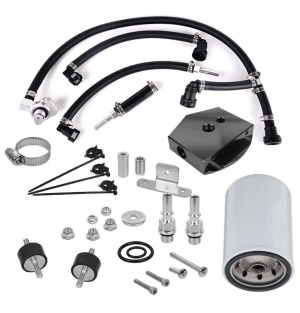
This is the installation process for the ER-0316: 2011-2022 Ford 6.7L F250 F350 F450 F550 CP4 Disaster Prevention Bypass Kit,provided for your reference during installation.
Step 1:
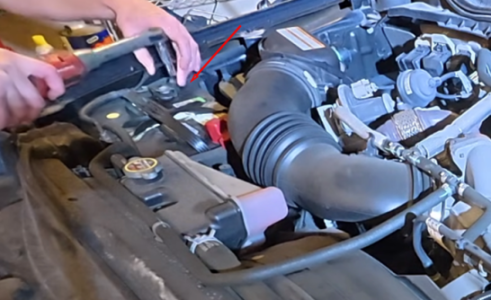
First, disconnect the positive and negative terminals of the main battery and the backup battery.
 Step 2:
 Step 3:
 Step 4:
 Step 5:
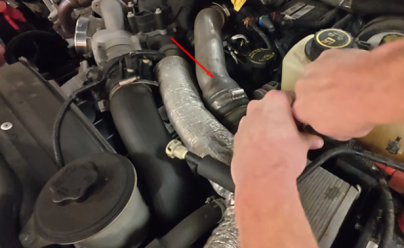
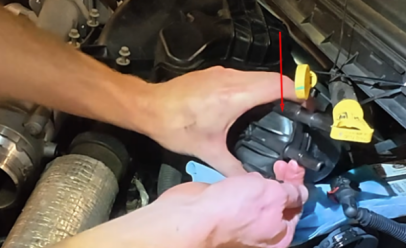
Remove the hot end boost pipe of the intercooler and the fuel filter housing.
 Step 6:
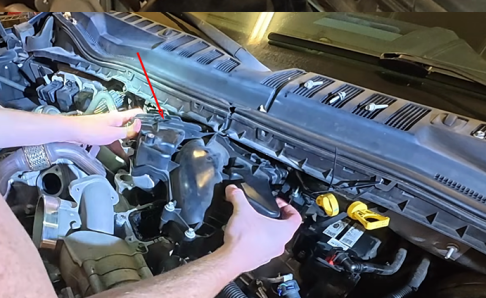
Remove the plastic upper intake manifold. Remove all fifteen 8mm bolts. Disconnect all electrical connections and wires from the intake manifold.
 Step 7:
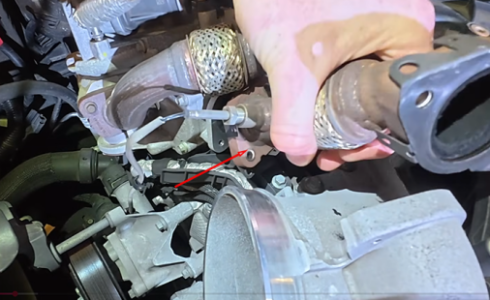
Remove the EGR hose between the cooler and the lower intake manifold. Keep the gaskets safe as they may be reused. Disconnect the electrical connections and remove the wiring harness clamps from the bottom of the lower intake manifold.
 Step 8:
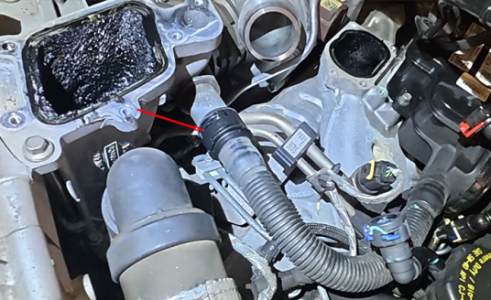
Remove the crankcase ventilation hose. Note that this hose may be fragile; handle with care to avoid damage.
 Step 9:
 Step 10:
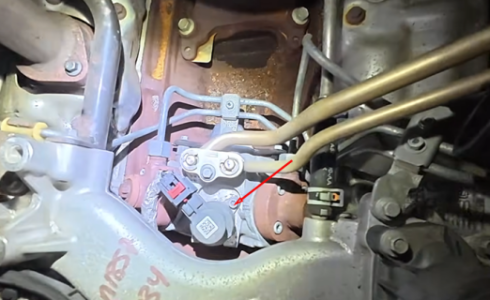
Remove the fuel control actuator (FCA).
Note: Before removing the FCA, thoroughly clean the area around the FCA with brake washer fluid and compressed air. After removing the FCA, ensure that no debris enters the fuel pump inlet.
 Step 11:
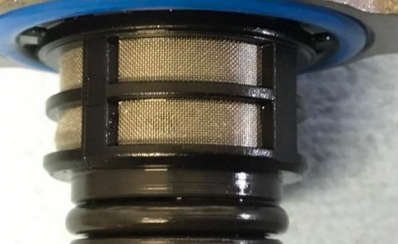
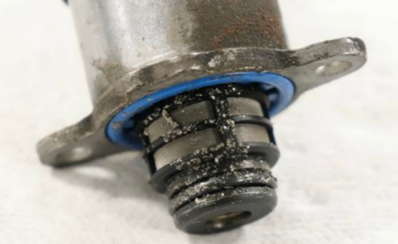
Check the metering unit for debris and ensure the fuel pump is functioning properly. If it is functioning properly, its condition should match the left diagram. If it resembles the right diagram, the fuel pump and fuel system must be replaced.
 Step 12:
Remove the dust cover from the bypass hose assembly quick connector and blow the hose clean with compressed air, being careful not to damage the O-rings inside the quick connector. The hose was cleaned before shipping, but blowing it clean again ensures it is safe to use.
(For models manufactured in 2020 and later, please refer to steps 13 and 14. For other models, please skip these two steps.)
Step 13:
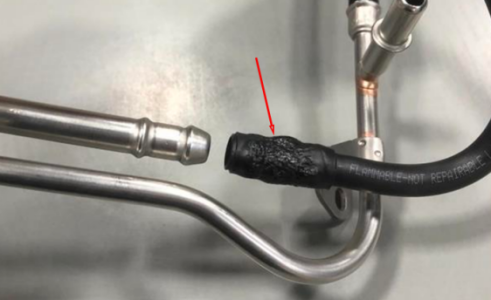
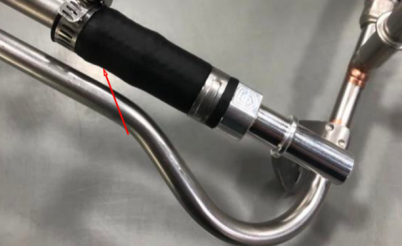
Remove the original plastic tubing and quick-connect assembly. The best method is to remove the original supply and return tubing assemblies, then soften the hose with a heat gun so it can be easily pulled off the original rigid tubing, as shown in the picture below.
 Step 14:
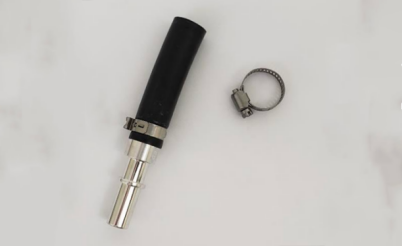
Install the included hose and quick-connect barb assembly.
1. Slide the hose onto the barb on the original supply tubing. Ensure there is no metal-to-metal contact between the aluminum fitting and the inner wall of the hose.
2. Tighten the hose clamp behind the second barb (see picture below).
3. Take special care to prevent foreign objects from entering the system.
4. Install the original metal tubing and adapter assembly.
5. Then continue with the normal installation.
 Step 15:
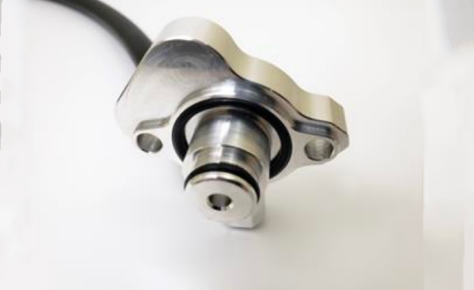
Install the large and small O-ring onto the Bypass Block.Push the o-ring into the groove to retain it.
 Step 16:
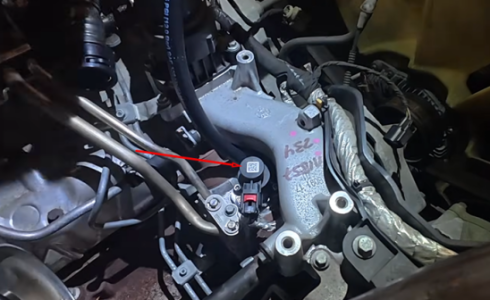
Install Bypass Block and FCA onto the CP4 using supplied M5allen head bolts. Torque to 60 inch-lbs.
 Step 17:
Reinstall the lower intake manifold. Tighten the hose clamps. Before finalizing the intake manifold assembly, ensure the clearance is sufficient. In rare cases, for models prior to 2020, it may be necessary to remove casting burrs from the lower intake manifold to increase the clearance between the bypass valve block and the CP4 fuel pump top fuel control actuator (FCA) electrical connector.
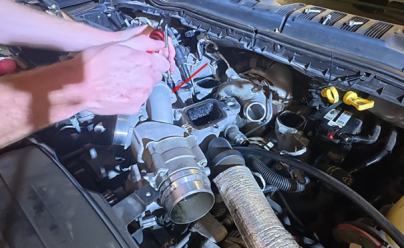
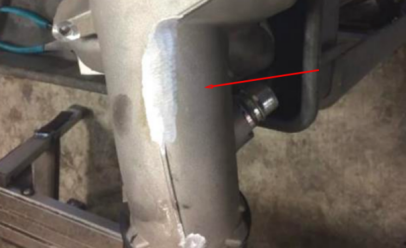 Step 18:
Reinstall the gasketed EGR hose. Reinstall the upper plastic intake manifold. Install the oil dipstick holder. Reconnect all electrical wiring and reinstall the insulation on the pressure sensor. Ensure all wires are kept away from hot exhaust components as before.
Step 19:
Reinstall the original fuel filter and filter housing.
 Step 20:
To complete the bypass kit installation:
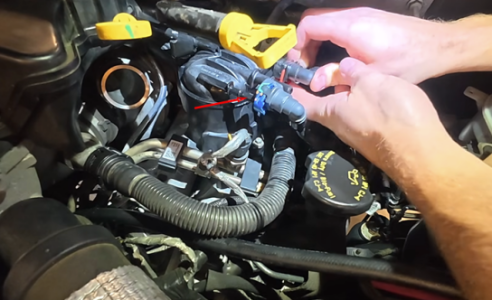
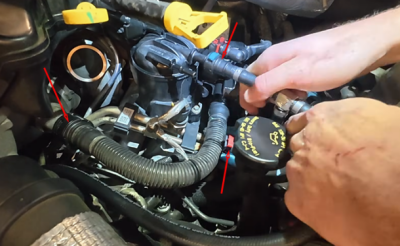
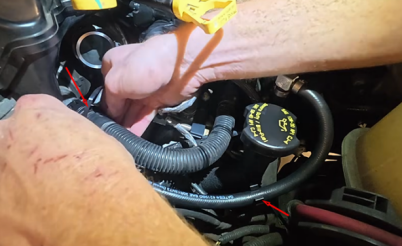
1. Carefully reinstall the crankcase ventilation hose to the lower intake manifold.
2. Remove the original fuel line from the lower rigid hose.
3. Push the quick-connect fitting into the corresponding hooks until you hear a click. Gently pull to ensure it is fully in place.
4. Using the provided cable tie hose clamps, adjust as needed to ensure the hose does not rub against nearby components.
 Step 21:
Install hot side compressor outlet to intercooler pipe.
Step 22:
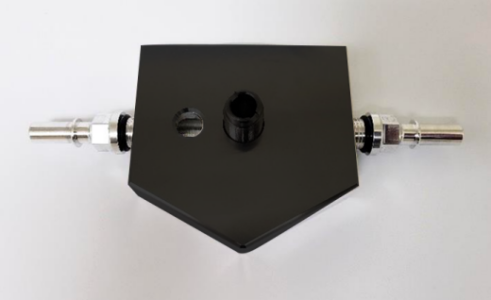
Filter Head Assembly
1. Install the small O-ring onto the aluminum filter head connector, then hand-screw the connector into the filter head.
2. Using a 15mm deep-hole socket, tighten both connectors to 120 inch-pounds. Do not overtighten, as this may cause damage.
3. Screw the rubber vibration isolator onto the back of the filter head until it is tightened by hand.
4.Install the bracket and the serrated flange nut.
 Step 23:
Fuel Filter Head Installation
The fuel filter head installation method differs slightly between 2011-2016 and 2017 and later models.
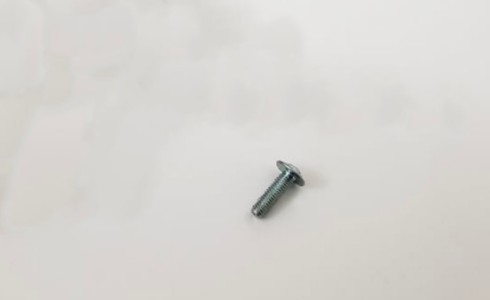
2011-2016 Models:
Use short round head bolts - no washers or gaskets required.
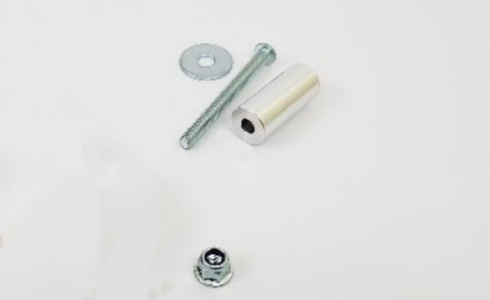
 2017 and Later Models:
1. Loosen the hood to install the fuel filter.
2. Remove the plastic fastener from the hood.
3. Place the washer over the long bolt. Pass the provided long bolt through the hole, then through the gasket, and finally through the fuel filter bracket. Tighten the provided nylon lock nut.
 Step 24:
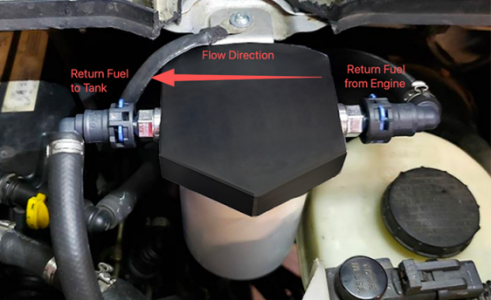
The filter flow diagram is as follows:
 Step 25:
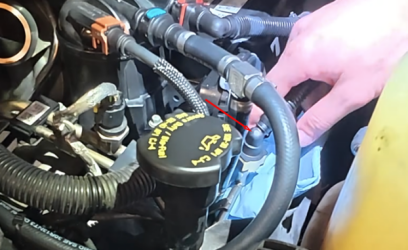
1. Place some absorbent towels around the connector to collect diesel fuel.
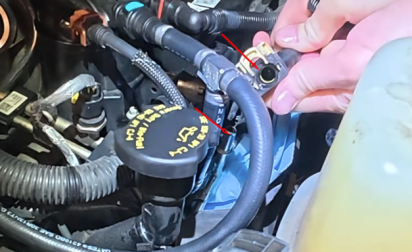
2. Remove the quick-connect coupling from the original metal return connector.
3. Holding the original plastic tubing, rotate the plastic female quick-connect coupling inside the molded tubing 180 degrees so that it faces upwards. Fine-tuning may be required afterwards.
 Step 26:
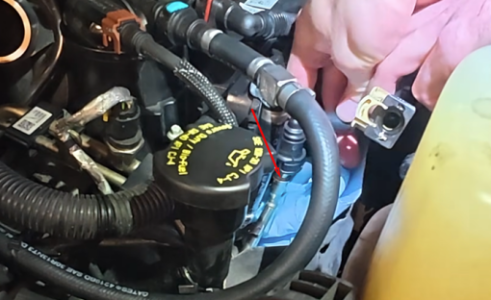
Install the hose with plastic connectors at both ends. Connect the larger quick-connect coupling to the original metal return connector from which the original connector was previously removed. Wrap the hose around the back of the filter, and connect the plastic quick-connect coupling to the right side of the filter head.
 Step 27:
Install the included cable tie hose clamp. Wrap the cable tie around the original fuel supply line and clamp the hose onto the cable tie, adjusting as needed to ensure the hose is away from the brake booster and reservoir.
Step 28:
Install the shorter left-side hose by inserting the aluminum barb into the previously disconnected and rotated-up original quick connector. Connect the other end to the left side of the filter head. Adjust the rotation angle of the quick connector as needed to avoid wear.
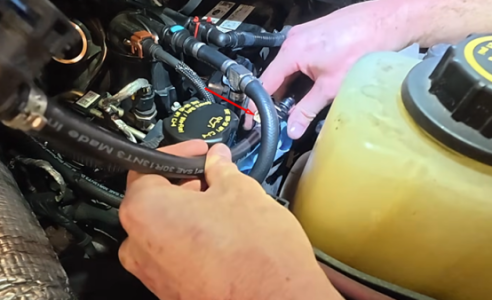 Step 29:
Install the fuel filter: Lubricate the filter O-ring with engine oil, diesel fuel, or a similar lubricant. Screw the filter in until the rubber seal contacts the filter head, then hand-tighten/screw until fully tightened.
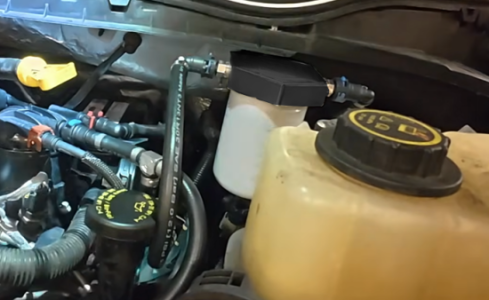 Step 30:
Check that all previously removed parts are reinstalled and closed, then purge air and check for leaks. Turn the key to the accessory position to run the electric fuel pump for 30 seconds to purge air, then start the engine. Start the engine and check for leaks.
This high-performance component does not comply with the laws and regulations for highway driving and cannot be used on any vehicle that has been registered or certified for use on highways. This means that the component may only be suitable for racing cars or other off-road vehicles. If it is installed on vehicles driving on the highway, legal issues will be borne by oneself.
Before installation, use compressed air to blow clean all parts to prevent debris from contaminating the fuel system. The common rail diesel fuel system is highly sensitive to debris, so cleanliness is essential during installation.
If you suspect a CP4 high-pressure fuel pump malfunction after installing the kit, the quickest way to confirm is to open the return filter and check the filter element for metal debris. The recommended replacement interval for the return filter is the same as for other fuel filters.
This instruction assumes that the installer has a mechanical background and is familiar with the Ford 6.7-liter Power Stroke engine and its fuel system.
This is the installation process for the ER-0316: 2011-2022 Ford 6.7L F250 F350 F450 F550 CP4 Disaster Prevention Bypass Kit,provided for your reference during installation.
Step 1:
First, disconnect the positive and negative terminals of the main battery and the backup battery.
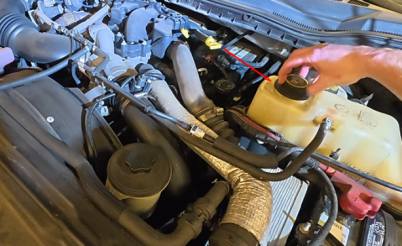
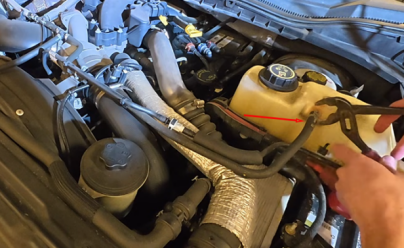
Remove the radiator cap to release pressure and disconnect the coolant lines covering the top of the radiator to make room for further operations.
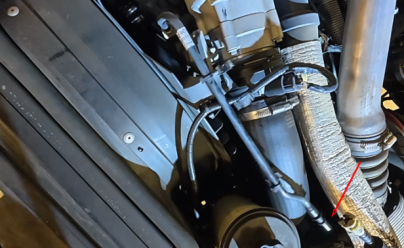
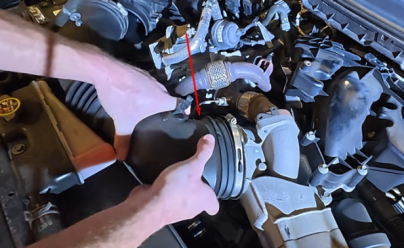
Disconnect the vacuum lines and remove the mass airflow meter (MAF), intake box, and vacuum lines.
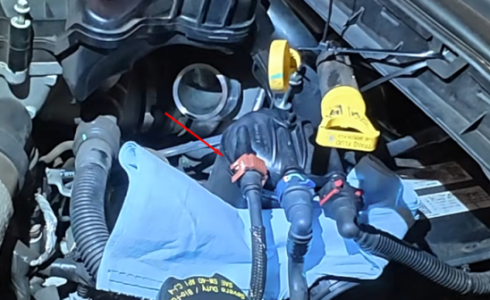
Remove the fuel filter. Note that after disconnecting the fuel lines, place them back onto the rigid line below to keep them clean. Be extremely careful not to allow any debris to enter the filter or fuel lines.
Remove the hot end boost pipe of the intercooler and the fuel filter housing.
Remove the plastic upper intake manifold. Remove all fifteen 8mm bolts. Disconnect all electrical connections and wires from the intake manifold.
Remove the EGR hose between the cooler and the lower intake manifold. Keep the gaskets safe as they may be reused. Disconnect the electrical connections and remove the wiring harness clamps from the bottom of the lower intake manifold.
Remove the crankcase ventilation hose. Note that this hose may be fragile; handle with care to avoid damage.
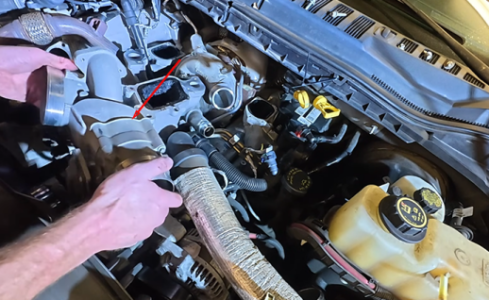
Remove the lower intake manifold.
Remove the fuel control actuator (FCA).
Note: Before removing the FCA, thoroughly clean the area around the FCA with brake washer fluid and compressed air. After removing the FCA, ensure that no debris enters the fuel pump inlet.
Check the metering unit for debris and ensure the fuel pump is functioning properly. If it is functioning properly, its condition should match the left diagram. If it resembles the right diagram, the fuel pump and fuel system must be replaced.
Remove the dust cover from the bypass hose assembly quick connector and blow the hose clean with compressed air, being careful not to damage the O-rings inside the quick connector. The hose was cleaned before shipping, but blowing it clean again ensures it is safe to use.
(For models manufactured in 2020 and later, please refer to steps 13 and 14. For other models, please skip these two steps.)
Step 13:
Remove the original plastic tubing and quick-connect assembly. The best method is to remove the original supply and return tubing assemblies, then soften the hose with a heat gun so it can be easily pulled off the original rigid tubing, as shown in the picture below.
Install the included hose and quick-connect barb assembly.
1. Slide the hose onto the barb on the original supply tubing. Ensure there is no metal-to-metal contact between the aluminum fitting and the inner wall of the hose.
2. Tighten the hose clamp behind the second barb (see picture below).
3. Take special care to prevent foreign objects from entering the system.
4. Install the original metal tubing and adapter assembly.
5. Then continue with the normal installation.
Install the large and small O-ring onto the Bypass Block.Push the o-ring into the groove to retain it.
Install Bypass Block and FCA onto the CP4 using supplied M5allen head bolts. Torque to 60 inch-lbs.
Reinstall the lower intake manifold. Tighten the hose clamps. Before finalizing the intake manifold assembly, ensure the clearance is sufficient. In rare cases, for models prior to 2020, it may be necessary to remove casting burrs from the lower intake manifold to increase the clearance between the bypass valve block and the CP4 fuel pump top fuel control actuator (FCA) electrical connector.
Reinstall the gasketed EGR hose. Reinstall the upper plastic intake manifold. Install the oil dipstick holder. Reconnect all electrical wiring and reinstall the insulation on the pressure sensor. Ensure all wires are kept away from hot exhaust components as before.
Step 19:
Reinstall the original fuel filter and filter housing.
To complete the bypass kit installation:
1. Carefully reinstall the crankcase ventilation hose to the lower intake manifold.
2. Remove the original fuel line from the lower rigid hose.
3. Push the quick-connect fitting into the corresponding hooks until you hear a click. Gently pull to ensure it is fully in place.
4. Using the provided cable tie hose clamps, adjust as needed to ensure the hose does not rub against nearby components.
Install hot side compressor outlet to intercooler pipe.
Step 22:
Filter Head Assembly
1. Install the small O-ring onto the aluminum filter head connector, then hand-screw the connector into the filter head.
2. Using a 15mm deep-hole socket, tighten both connectors to 120 inch-pounds. Do not overtighten, as this may cause damage.
3. Screw the rubber vibration isolator onto the back of the filter head until it is tightened by hand.
4.Install the bracket and the serrated flange nut.
Fuel Filter Head Installation
The fuel filter head installation method differs slightly between 2011-2016 and 2017 and later models.
2011-2016 Models:
Use short round head bolts - no washers or gaskets required.
1. Loosen the hood to install the fuel filter.
2. Remove the plastic fastener from the hood.
3. Place the washer over the long bolt. Pass the provided long bolt through the hole, then through the gasket, and finally through the fuel filter bracket. Tighten the provided nylon lock nut.
The filter flow diagram is as follows:
1. Place some absorbent towels around the connector to collect diesel fuel.
2. Remove the quick-connect coupling from the original metal return connector.
3. Holding the original plastic tubing, rotate the plastic female quick-connect coupling inside the molded tubing 180 degrees so that it faces upwards. Fine-tuning may be required afterwards.
Install the hose with plastic connectors at both ends. Connect the larger quick-connect coupling to the original metal return connector from which the original connector was previously removed. Wrap the hose around the back of the filter, and connect the plastic quick-connect coupling to the right side of the filter head.
Install the included cable tie hose clamp. Wrap the cable tie around the original fuel supply line and clamp the hose onto the cable tie, adjusting as needed to ensure the hose is away from the brake booster and reservoir.
Step 28:
Install the shorter left-side hose by inserting the aluminum barb into the previously disconnected and rotated-up original quick connector. Connect the other end to the left side of the filter head. Adjust the rotation angle of the quick connector as needed to avoid wear.
Install the fuel filter: Lubricate the filter O-ring with engine oil, diesel fuel, or a similar lubricant. Screw the filter in until the rubber seal contacts the filter head, then hand-tighten/screw until fully tightened.
Check that all previously removed parts are reinstalled and closed, then purge air and check for leaks. Turn the key to the accessory position to run the electric fuel pump for 30 seconds to purge air, then start the engine. Start the engine and check for leaks.
Last edited:


