

If you’ve recently deleted the DPF and DEF systems on your L5P—or you’re planning to—you’ve probably run into a lingering question. After the downpipe, the tune, and the EGR block-off plates, you might think the job is done. Then someone mentions “CAN Bus plugs,” and suddenly there’s another piece to the puzzle.
I was in the same boat with my 2018 L5P. The truck was physically deleted, the tune was loaded, and everything seemed fine. But I kept hearing about these little plastic connectors that somehow play a critical role in making the whole setup work cleanly. After some research and a conversation with my tuner, I realized they weren’t optional—they were the difference between a finished, reliable delete and chasing intermittent issues for months.
Here’s what I learned about these CAN Bus plugs, why they matter, and why there are two different versions depending on whether you own a 2017-2019 or a 2020-2023 L5P.
So why do you still need to plug something in?
The answer lies in the CAN Bus network—the central nervous system of your truck. The NOx sensors and DEF modules aren’t just standalone components; they’re active nodes on this network. They constantly communicate with the ECM, reporting data and receiving commands. When you unplug them, you’re not just removing a sensor—you’re removing a node from the network.
The ECM expects those nodes to be present and responsive. Even with a delete tune that disables fault codes for emissions performance, some trucks can still experience:
For 2017-2019 L5P Duramax – 4-Piece CAN Bus Plug Kit
This kit contains four plugs designed to replace:
What I noticed after installing them:
This kit contains three plugs, but don’t let the lower count fool you. The later L5P consolidated some emissions functions and integrated the DEF system more tightly with the fuel system.
The 2020+ kit replaces:
On 2020+ trucks, the DEF system is electronically linked to fuel system monitoring. Simply deleting the DEF hardware without addressing this CAN Bus connection can, in some cases, interrupt fuel level or lift pump data, leading to inaccurate fuel gauges or reduced fuel system diagnostics. The 2020+ plugs are specifically engineered to preserve this communication pathway.
What you do:
One tip from my install: Take a moment to inspect the rubber seals on the factory harness connectors. If they’re dirty or corroded, a quick shot of electrical contact cleaner ensures a solid connection. Also, as the product note advises, “Care must be taken during installation to ensure that the plugs are properly seated and securely fastened.” A partially seated plug can cause intermittent connection issues that are a nightmare to trace.
CAN Bus plugs are not a substitute for tuning. They are a companion component to a proper delete tune. The tune disables the ECM’s emissions monitoring and fault reporting. The plugs maintain the physical and electronic integrity of the CAN Bus network.
If you install these plugs without a delete tune, the ECM will still expect the emissions systems to function, and you’ll get check engine lights and fault codes. If you install a delete tune without these plugs, you may experience intermittent communication issues that can affect drivability.
The formula is simple:
text
Physical Delete Hardware + Delete Tune + CAN Bus Plugs = Complete, Reliable System
Off-Road Use Only – Read This:
These plugs are designed for use with aftermarket exhaust systems and delete pipes on vehicles that have had their emissions systems removed. They replace factory NOx and DEF modules, which are federally mandated emissions components. As such, they are intended for off-road and competition use only.
Modifying or circumventing emissions systems on a vehicle driven on public roads is a violation of the Clean Air Act. This modification will also void your factory powertrain warranty. It is your responsibility to understand and comply with all local, state, and federal regulations.
For 2017-2019 owners, the 4-piece kit ensures all four emissions modules are properly simulated. For 2020-2023 owners, the 3-piece kit adds the critical function of maintaining fuel tank and lift pump communication—a detail the early trucks don’t require.
If you’ve already deleted your L5P and skipped these, it’s worth checking your diagnostic history for communication-related soft codes. If you’re planning a delete, add these to your parts list alongside the downpipe, the tune, and the EGR delete. They’re not expensive, they install in minutes, and they provide genuine peace of mind.
Has anyone else here used these CAN Bus plugs on their L5P delete? Any tips on routing or securing them? Drop your experience below.
I was in the same boat with my 2018 L5P. The truck was physically deleted, the tune was loaded, and everything seemed fine. But I kept hearing about these little plastic connectors that somehow play a critical role in making the whole setup work cleanly. After some research and a conversation with my tuner, I realized they weren’t optional—they were the difference between a finished, reliable delete and chasing intermittent issues for months.
Here’s what I learned about these CAN Bus plugs, why they matter, and why there are two different versions depending on whether you own a 2017-2019 or a 2020-2023 L5P.
Part 1: The Missing Link – Why Hardware Removal Isn’t Enough
Let’s start with the obvious: when you delete the DPF and DEF systems, you physically remove the diesel particulate filter, the diesel exhaust fluid tank, the doser, and the associated sensors. You also upload a custom tune that tells the ECM to stop looking for those components.So why do you still need to plug something in?
The answer lies in the CAN Bus network—the central nervous system of your truck. The NOx sensors and DEF modules aren’t just standalone components; they’re active nodes on this network. They constantly communicate with the ECM, reporting data and receiving commands. When you unplug them, you’re not just removing a sensor—you’re removing a node from the network.
The ECM expects those nodes to be present and responsive. Even with a delete tune that disables fault codes for emissions performance, some trucks can still experience:
- Communication faults logged in the ECM that don’t trigger a check engine light but can affect drivability.
- Delayed or incomplete wake-up sequences during cold starts.
- Intermittent power reduction or “soft” limp modes that are difficult to diagnose.
- Fuel tank/lift pump data interruptions on 2020+ models, where the DEF system is more deeply integrated with fuel system monitoring.
Part 2: The Two Kits – 2017-2019 vs. 2020-2023
This is where the year split becomes critical. GM made significant changes to the emissions control architecture and CAN Bus integration between the early L5P (2017-2019) and the later models (2020-2023). The two kits reflect those differences.For 2017-2019 L5P Duramax – 4-Piece CAN Bus Plug Kit
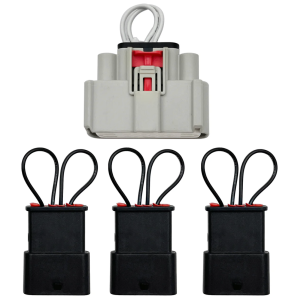
This kit contains four plugs designed to replace:
- Both NOx sensors (upstream and downstream)
- The DEF tank module
- The DEF doser (injector)
What I noticed after installing them:
- The truck started consistently without any hesitation.
- No phantom communication faults appeared in my diagnostic tool.
- The delete tune performed exactly as intended, with no weird “adaptive learning” hiccups.
This kit contains three plugs, but don’t let the lower count fool you. The later L5P consolidated some emissions functions and integrated the DEF system more tightly with the fuel system.
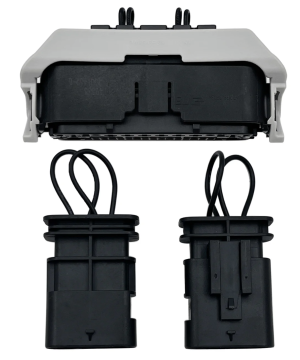
The 2020+ kit replaces:
- Both NOx sensors
- One module that handles both DEF tank and doser communication
On 2020+ trucks, the DEF system is electronically linked to fuel system monitoring. Simply deleting the DEF hardware without addressing this CAN Bus connection can, in some cases, interrupt fuel level or lift pump data, leading to inaccurate fuel gauges or reduced fuel system diagnostics. The 2020+ plugs are specifically engineered to preserve this communication pathway.
Part 3: Installation – Simpler Than You Think
I’ll be honest: I expected these plugs to require some complicated wiring or soldering. They don’t. The installation is genuinely straightforward.What you do:
- Locate the factory NOx sensors and DEF modules under the truck (or, in some cases, you may have already unplugged them during your delete installation).
- Unplug the factory harness connectors from the sensors/modules.
- Plug the CAN Bus connectors directly into the harness ends.
- Secure the connectors with zip ties to prevent rattling or damage.
One tip from my install: Take a moment to inspect the rubber seals on the factory harness connectors. If they’re dirty or corroded, a quick shot of electrical contact cleaner ensures a solid connection. Also, as the product note advises, “Care must be taken during installation to ensure that the plugs are properly seated and securely fastened.” A partially seated plug can cause intermittent connection issues that are a nightmare to trace.
Part 4: The Non-Negotiable Truth – Tuning is Still Required
The product descriptions for both kits clearly state: “A new engine calibration is required.” This cannot be overstated.CAN Bus plugs are not a substitute for tuning. They are a companion component to a proper delete tune. The tune disables the ECM’s emissions monitoring and fault reporting. The plugs maintain the physical and electronic integrity of the CAN Bus network.
If you install these plugs without a delete tune, the ECM will still expect the emissions systems to function, and you’ll get check engine lights and fault codes. If you install a delete tune without these plugs, you may experience intermittent communication issues that can affect drivability.
The formula is simple:
text
Physical Delete Hardware + Delete Tune + CAN Bus Plugs = Complete, Reliable System
Part 5: Real-World Owner Feedback
One of the most reassuring aspects of these kits is the owner feedback. Across both product pages, the reviews are consistently positive:This isn’t a component that makes power or changes how the truck drives. You won’t feel a “butt dyno” gain from installing CAN Bus plugs. But what you will experience is what you don’t see: no ghost faults, no intermittent power loss, no mysterious fuel gauge glitches, and a delete that behaves exactly as it should, mile after mile.“Worked flawlessly and looked clean!” – Royce
“Products arrived promptly and everything fit correctly.” – Jeremy Gordon
“The Can Bus Plugs looked great and are functional. For the price you cant beat them.” – Michael Green
Part 6: A Note on Legality and Fitment
Fitment is year-specific and non-interchangeable.- The 4-pin kit is for 2017-2019 L5P Duramax trucks only.
- The 3-pin kit is for 2020-2023 L5P Duramax trucks only.
Off-Road Use Only – Read This:
These plugs are designed for use with aftermarket exhaust systems and delete pipes on vehicles that have had their emissions systems removed. They replace factory NOx and DEF modules, which are federally mandated emissions components. As such, they are intended for off-road and competition use only.
Modifying or circumventing emissions systems on a vehicle driven on public roads is a violation of the Clean Air Act. This modification will also void your factory powertrain warranty. It is your responsibility to understand and comply with all local, state, and federal regulations.
Final Thoughts: The Finishing Piece
The CAN Bus plugs for the L5P Duramax are one of those components that don’t get the attention they deserve. They’re small, plastic, and unglamorous. They don’t add horsepower or change the exhaust note. But in the world of modern diesel deletions, they represent the difference between a job that’s “mostly done” and a job that’s truly complete.For 2017-2019 owners, the 4-piece kit ensures all four emissions modules are properly simulated. For 2020-2023 owners, the 3-piece kit adds the critical function of maintaining fuel tank and lift pump communication—a detail the early trucks don’t require.
If you’ve already deleted your L5P and skipped these, it’s worth checking your diagnostic history for communication-related soft codes. If you’re planning a delete, add these to your parts list alongside the downpipe, the tune, and the EGR delete. They’re not expensive, they install in minutes, and they provide genuine peace of mind.
Has anyone else here used these CAN Bus plugs on their L5P delete? Any tips on routing or securing them? Drop your experience below.
Last edited:
