
!Before installation, confirm that:
This high-performance component does not comply with the laws and regulations for highway driving and cannot be used on any vehicle that has been registered or certified for use on highways. This means that the component may only be suitable for racing cars or other off-road vehicles. If it is installed on vehicles driving on the highway, legal issues will be borne by oneself.
Before installation, use compressed air to blow clean all parts to prevent debris from contaminating the fuel system. The common rail diesel fuel system is highly sensitive to debris, so cleanliness is essential during installation.
If you suspect a CP4 high-pressure fuel pump malfunction after installing the kit, the quickest way to confirm is to open the return filter and check the filter element for metal debris.
This instruction assumes that the installer has a mechanical background and is familiar with the Ford 6.7-liter Power Stroke engine and its fuel system.
This is the installation process for the ER-0317: 2011-2014 Ford 6.7L Powerstroke CP4 Disaster Prevention Bypass Kit,provided for your reference during installation.
Step 1:
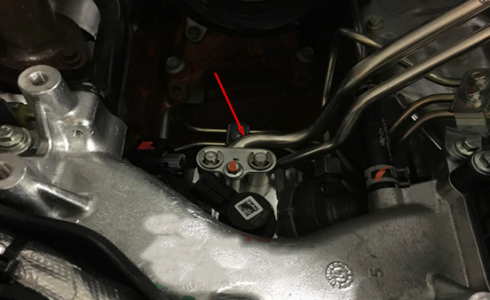
1.First, remove the upper intake manifold to access the top high-pressure pump located within the engine's V-valley.
2.The fuel filter and its housing must be removed to create clearance for removing the upper plastic intake manifold. Please detach the rigid plastic line connecting the fuel filter to the steel fuel supply line (leading to the high-pressure pump). The fuel supply line leading to the high-pressure pump is located on the passenger side of the pump.
Step 2:
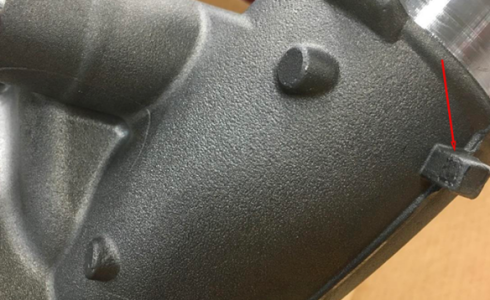
The aluminum manifold can then be removed. Depending on the situation, if it affects subsequent installation, the lugs at the bottom of the aluminum manifold should be cut off or ground flat to facilitate reinstallation.
Step 3:
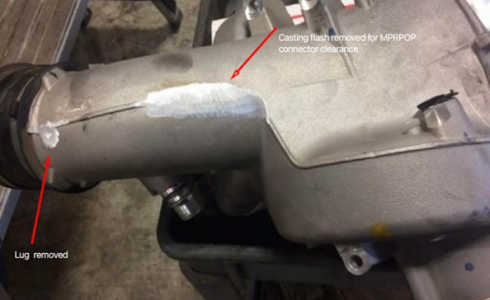
Depending on the specific circumstances, if the MProp connector is interfered with during reinstallation, the casting burrs in the area shown in the diagram should be removed.
 Step 4:
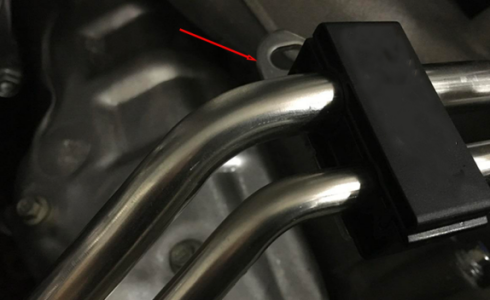
Remove the two rigid plastic clamps for the fuel supply and return lines, and set them aside.
 Step 5:
Prior to proceeding with subsequent operations, it is imperative that you carefully clean the top of the high-pressure pump and the surrounding area to remove any loose dirt or debris; this is of critical importance, as its primary objective is to strictly prevent any contaminants from entering the fuel system. Maintaining cleanliness is an absolute necessity when working on the fuel system. If you choose to skip this step, you do so at your own risk.
Step 6:
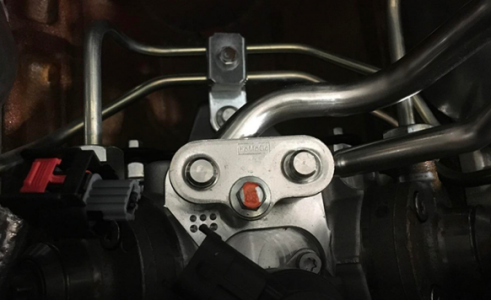
Once cleaning is complete, remove the circlips from the supply-side (left) and return-side (right) fittings, as shown in the diagram.
Loosen the 10mm flange bolts marked "FoMoCo" and then remove the "T-bar". This bolt will be used later to secure the fail-safe adapter.
Lift vertically upward to detach the rigid fuel supply line from the top of the fuel pump. You may need to gently rock the line from side to side during removal to disengage the O-ring. Note: The fuel return line does not need to be removed.
Remove the Fuel Control Actuator (FCA) from the top of the fuel pump. Exercise extreme caution during this step to prevent any debris from falling into the now-exposed fuel inlet port or the FCA mounting bore.
Step 7:
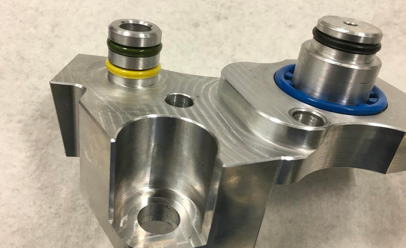
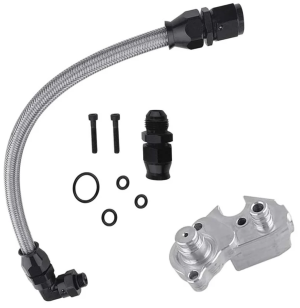
1.Remove the two O-rings from the fuel supply line and transfer them to the adapter block; alternatively, use the included new O-rings. Install the included O-rings onto the adapter block as shown in the diagram. Apply grease to the O-rings, then mount the adapter block onto the top of the high-pressure fuel pump.
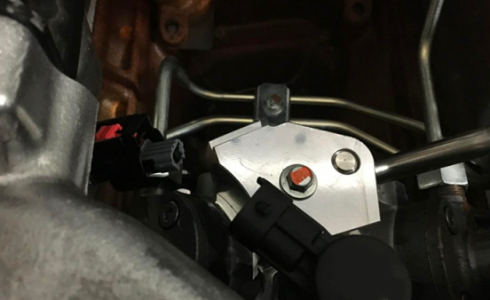
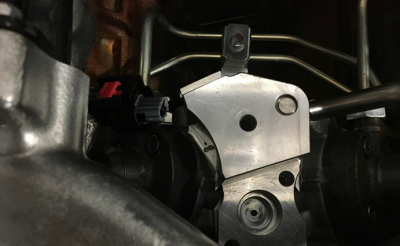 2.Install the metering unit (FCA) into the adapter block and insert the included longer mounting bolts. Reinstall the central mounting bolt (i.e., the bolt originally used to secure the T-bar) and tighten all fasteners to the specified torque.
 Step 8:
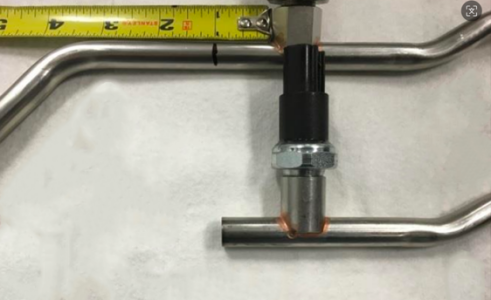
1.Remove the rigid fuel supply line and cut it at the location indicated in the diagram to facilitate connection with the accompanying stainless steel braided fuel line. Before tightening the compression fitting on the supply line, ensure that the cut surface is flat, perpendicular (at a right angle), and completely free of burrs. Once the fitting has been tightened onto the rigid line, inspect and clean the fitting to remove any fine debris.
2.The cut location for the fuel supply line should be selected approximately one inch away from the sensor closest to the high-pressure pump. Connect the end of the stainless steel braided line equipped with a compression fitting to the steel line. Apply a small amount of lubricant to the threads and load-bearing surfaces of the fitting to ensure smooth thread engagement.
 Step 9:
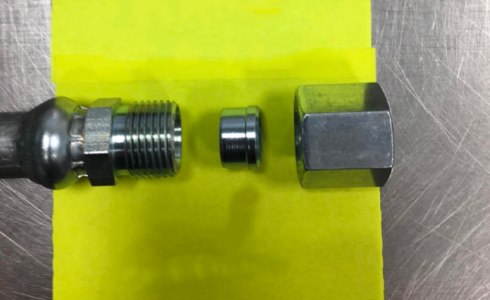
1.Please note the correct installation method for the ferrule on the tubing: the flanged end of the ferrule should face the nut.
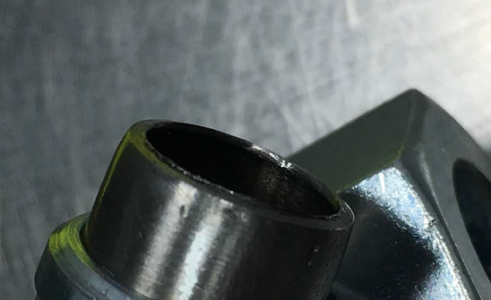
 2.A pipe cutter creates a large, sharp burr on the inner wall of the pipe, which must be removed. These burrs can be effectively eliminated by using a wire wheel mounted on a bench grinder, in conjunction with a specialized deburring tool. Once the deburring process is complete, be sure to thoroughly clean the pipe.
 Step 10:
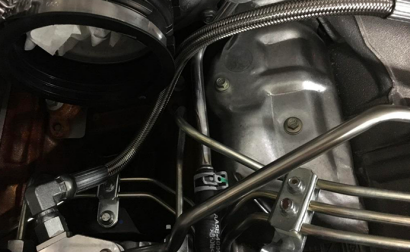
Loosen the compression fitting of the braided stainless steel fuel supply hose from the connection point to the fuel supply hose. Thoroughly flush with a contact cleaner or brake cleaner to remove all debris. Then connect the braided stainless steel hose to the adapter on top of the high-pressure pump. It is recommended to seal the open end of the braided stainless steel hose with a cap or sealant after flushing to prevent contamination until the final connection is complete.
Note: this braided line must not touch any component as it is fit into the valley and run out.
 Step 11:
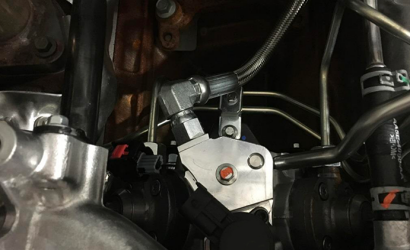
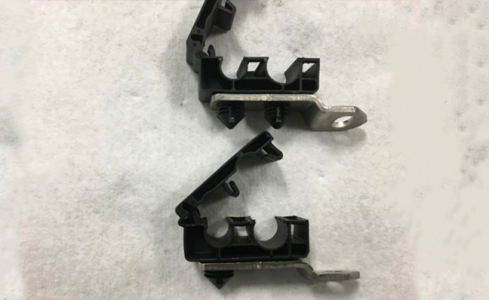
The pipe bracket used to hold the supply and return water rigid pipes was modified to accommodate the new braided stainless steel tubing. This was achieved by removing a Christmas tree-shaped post near the bracket's mounting holes, allowing the plastic clips to rotate and avoid the crimping rings of the braided stainless steel tubing. The top remained unchanged, while the bottom was modified. This modification is required for both kit versions.
 Step 12:
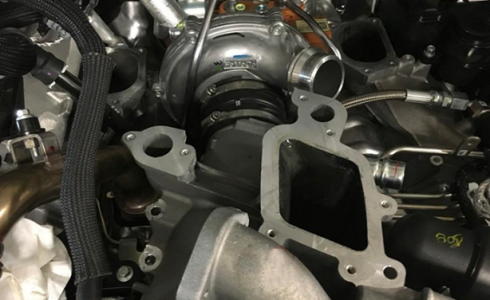
Reinstall the air manifold and fuel filter housing onto the engine. Note that the fuel supply hose is loosely connected to the braided stainless steel compression fitting but not yet tightened. Tighten the compression fitting only after ensuring the braided stainless steel hose is properly routed so that it does not rub against or come into contact with any other parts.
 Step 13:
The modified mounting bracket can now be reinstalled, and the new fuel supply and return lines can be installed, tightened, and secured with clamps. Ensure the braided stainless steel supply line does not contact any other components. The braided stainless steel line can be clamped into the modified original plastic mounting block. This mounting block can be rotated to engage the clips around the braided stainless steel section of the fuel supply line.
Step 14:
Reinstall the remaining components that were removed, ensuring all electrical connectors are reconnected and fasteners are tightened as specified.
Step 15:
When starting the vehicle for the first time after installing the kit, it is recommended that you repeatedly turn the ignition switch on and off several times before starting to purge air from the fuel system. Turn the ignition switch on, wait 5-10 seconds, and then turn it off. You may hear a gurgling sound during this process until all air is expelled.
This high-performance component does not comply with the laws and regulations for highway driving and cannot be used on any vehicle that has been registered or certified for use on highways. This means that the component may only be suitable for racing cars or other off-road vehicles. If it is installed on vehicles driving on the highway, legal issues will be borne by oneself.
Before installation, use compressed air to blow clean all parts to prevent debris from contaminating the fuel system. The common rail diesel fuel system is highly sensitive to debris, so cleanliness is essential during installation.
If you suspect a CP4 high-pressure fuel pump malfunction after installing the kit, the quickest way to confirm is to open the return filter and check the filter element for metal debris.
This instruction assumes that the installer has a mechanical background and is familiar with the Ford 6.7-liter Power Stroke engine and its fuel system.
This is the installation process for the ER-0317: 2011-2014 Ford 6.7L Powerstroke CP4 Disaster Prevention Bypass Kit,provided for your reference during installation.
Step 1:
1.First, remove the upper intake manifold to access the top high-pressure pump located within the engine's V-valley.
2.The fuel filter and its housing must be removed to create clearance for removing the upper plastic intake manifold. Please detach the rigid plastic line connecting the fuel filter to the steel fuel supply line (leading to the high-pressure pump). The fuel supply line leading to the high-pressure pump is located on the passenger side of the pump.
Step 2:
The aluminum manifold can then be removed. Depending on the situation, if it affects subsequent installation, the lugs at the bottom of the aluminum manifold should be cut off or ground flat to facilitate reinstallation.
Step 3:
Depending on the specific circumstances, if the MProp connector is interfered with during reinstallation, the casting burrs in the area shown in the diagram should be removed.
Remove the two rigid plastic clamps for the fuel supply and return lines, and set them aside.
Prior to proceeding with subsequent operations, it is imperative that you carefully clean the top of the high-pressure pump and the surrounding area to remove any loose dirt or debris; this is of critical importance, as its primary objective is to strictly prevent any contaminants from entering the fuel system. Maintaining cleanliness is an absolute necessity when working on the fuel system. If you choose to skip this step, you do so at your own risk.
Step 6:
Once cleaning is complete, remove the circlips from the supply-side (left) and return-side (right) fittings, as shown in the diagram.
Loosen the 10mm flange bolts marked "FoMoCo" and then remove the "T-bar". This bolt will be used later to secure the fail-safe adapter.
Lift vertically upward to detach the rigid fuel supply line from the top of the fuel pump. You may need to gently rock the line from side to side during removal to disengage the O-ring. Note: The fuel return line does not need to be removed.
Remove the Fuel Control Actuator (FCA) from the top of the fuel pump. Exercise extreme caution during this step to prevent any debris from falling into the now-exposed fuel inlet port or the FCA mounting bore.
Step 7:
1.Remove the two O-rings from the fuel supply line and transfer them to the adapter block; alternatively, use the included new O-rings. Install the included O-rings onto the adapter block as shown in the diagram. Apply grease to the O-rings, then mount the adapter block onto the top of the high-pressure fuel pump.
1.Remove the rigid fuel supply line and cut it at the location indicated in the diagram to facilitate connection with the accompanying stainless steel braided fuel line. Before tightening the compression fitting on the supply line, ensure that the cut surface is flat, perpendicular (at a right angle), and completely free of burrs. Once the fitting has been tightened onto the rigid line, inspect and clean the fitting to remove any fine debris.
2.The cut location for the fuel supply line should be selected approximately one inch away from the sensor closest to the high-pressure pump. Connect the end of the stainless steel braided line equipped with a compression fitting to the steel line. Apply a small amount of lubricant to the threads and load-bearing surfaces of the fitting to ensure smooth thread engagement.
1.Please note the correct installation method for the ferrule on the tubing: the flanged end of the ferrule should face the nut.
Loosen the compression fitting of the braided stainless steel fuel supply hose from the connection point to the fuel supply hose. Thoroughly flush with a contact cleaner or brake cleaner to remove all debris. Then connect the braided stainless steel hose to the adapter on top of the high-pressure pump. It is recommended to seal the open end of the braided stainless steel hose with a cap or sealant after flushing to prevent contamination until the final connection is complete.
Note: this braided line must not touch any component as it is fit into the valley and run out.
The pipe bracket used to hold the supply and return water rigid pipes was modified to accommodate the new braided stainless steel tubing. This was achieved by removing a Christmas tree-shaped post near the bracket's mounting holes, allowing the plastic clips to rotate and avoid the crimping rings of the braided stainless steel tubing. The top remained unchanged, while the bottom was modified. This modification is required for both kit versions.
Reinstall the air manifold and fuel filter housing onto the engine. Note that the fuel supply hose is loosely connected to the braided stainless steel compression fitting but not yet tightened. Tighten the compression fitting only after ensuring the braided stainless steel hose is properly routed so that it does not rub against or come into contact with any other parts.
The modified mounting bracket can now be reinstalled, and the new fuel supply and return lines can be installed, tightened, and secured with clamps. Ensure the braided stainless steel supply line does not contact any other components. The braided stainless steel line can be clamped into the modified original plastic mounting block. This mounting block can be rotated to engage the clips around the braided stainless steel section of the fuel supply line.
Step 14:
Reinstall the remaining components that were removed, ensuring all electrical connectors are reconnected and fasteners are tightened as specified.
Step 15:
When starting the vehicle for the first time after installing the kit, it is recommended that you repeatedly turn the ignition switch on and off several times before starting to purge air from the fuel system. Turn the ignition switch on, wait 5-10 seconds, and then turn it off. You may hear a gurgling sound during this process until all air is expelled.
Last edited:


